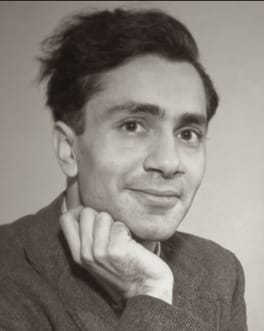
Photo: AnonymousUnknown author / Public domain (source: Wikimedia Commons)
Balraj Sahni was listed as a stage actor, film actor and autobiographer. Born on May 1, 1913, Balraj Sahni was from Rawalpindi, Rawalpindi District, Pakistan. Death is recorded on April 13, 1973, at the age of 59. Schooling on record includes Government College University. Awards on record include Padma Shri in arts (1969).
My Take
Balraj Sahni is, to me, one of the genuinely soulful figures of Indian cinema. Born in what is now Rawalpindi and shaped by the trauma of Partition, he carried a lived gravity into roles that lesser actors could only mimic. I admire that he was not merely a screen face but a stage actor, screenwriter and autobiographer, an artist whose work in films like Do Bigha Zameen turned the suffering of the rural poor into something dignified and unforgettable. The 1969 Padma Shri and his literary brother round out a portrait of a cultured, principled man. I respect performers who chose honesty over flash, and Sahni is the standard-bearer.
This take was written by generative AI, one per person, from publicly reported facts (editorial policy). It is a reading of the record, not reporting.
1. Profile
- Name (English)
- Balraj Sahni
- Name (Japanese)
- バルラージ・サーヘニー
- Reading
- ばるらーじ・さーへにー
- Born
- May 1, 1913 – April 13, 1973
- Origin
- Rawalpindi, Rawalpindi District, Pakistan
- Occupation
- stage actor / film actor / autobiographer / screenwriter / writer
- Zodiac / Chinese zodiac
- Taurus / Ox
2. Background
- University
- Government College University
Awards & achievements
- 1969 Padma Shri in arts
3. Links
4. About this entry
Tags
- Last updated
Facts are limited to publicly available information up to 2024; non-public or unconfirmed items are omitted. English text is machine-assisted (facts translated by Sonnet, "My Take" written by Opus 4.8). The Japanese page is the source of record.
Frequently asked questions
When was Balraj Sahni born?
Born May 1, 1913.
When did Balraj Sahni die?
Died April 13, 1973, aged 59.
Where was Balraj Sahni from?
Balraj Sahni was from Rawalpindi, Rawalpindi District, Pakistan.
What did Balraj Sahni do?
Balraj Sahni worked as stage actor, film actor, autobiographer, screenwriter, writer.
Stage actor — see all → · Film actor — see all → · More people from Pakistan →