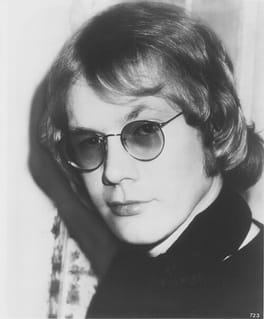
Photo: Unknown author / Public domain (source: Wikimedia Commons)
Warren Zevon was credited as a singer, songwriter and singer-songwriter. Warren Zevon was born on January 24, 1947 in Chicago, Illinois, United States. Death is recorded on September 7, 2003, at the age of 56. Schooling on record includes McLane High School. Credited works include Werewolves of London and Lawyers, Guns and Money.
My Take
Warren Zevon was the dark horse of the singer-songwriter generation — too literary for rock radio, too rowdy for the folk crowd, and better than most of both. I love that his most famous song is basically a deadpan joke about a hairy guy in a fancy restaurant, yet the man could also write "Roland the Headless Thompson Gunner" with the deadpan seriousness of a Cold War novelist. His 1978 album Excitable Boy is a masterclass in making pitch-black subject matter sound like a good time, and his friendship with the Eagles crowd always struck me as proof that the sharpest mind in the room doesn't always get top billing. What really gets me is his final album, The Wind (2003), recorded after a terminal mesothelioma diagnosis — he basically looked death in the eye and said, let me get one more great record in. He did. Miss him.
This take was written by generative AI, one per person, from publicly reported facts (editorial policy). It is a reading of the record, not reporting.
1. Profile
- Name (English)
- Warren Zevon
- Name (Japanese)
- ウォーレン・ジヴォン
- Reading
- うぉーれん・じゔぉん
- Born
- January 24, 1947 – September 7, 2003
- Origin
- Chicago, Illinois, United States
- Occupation
- singer / songwriter / singer-songwriter / guitarist / pianist
- Zodiac / Chinese zodiac
- Aquarius / Boar
2. Background
- High school
- McLane High School
3. Works & records
Filmography / notable works
| Category | Title |
|---|---|
| Notable work | Werewolves of London |
| Notable work | Lawyers, Guns and Money |
4. Links
- Official sitehttps://www.warrenzevon.com
- Wikipedia (English)https://en.wikipedia.org/wiki/Warren%20Zevon
- Wikipedia (Japanese)https://ja.wikipedia.org/wiki/%E3%82%A6%E3%82%A9%E3%83%BC%E3%83%AC%E3%83%B3%E3%83%BB%E3%82%B8%E3%83%B4%E3%82%A9%E3%83%B3
- Wikidatahttps://www.wikidata.org/wiki/Q375792
5. About this entry
Tags
- Last updated
Only publicly available facts are listed; non-public or unconfirmed items are omitted. Base data was compiled from Wikidata from June 2026 onward; ages are recalculated daily and deaths are checked against Wikidata on an ongoing basis. English text is machine-assisted (facts translated by Sonnet, "My Take" written by Opus 4.8). The Japanese page is the source of record.
Frequently asked questions
When was Warren Zevon born?
Warren Zevon was born on January 24, 1947.
When did Warren Zevon die?
Warren Zevon died on September 7, 2003, aged 56.
Where was Warren Zevon from?
Warren Zevon was from Chicago, Illinois, United States.
What did Warren Zevon do?
Warren Zevon worked as singer, songwriter, singer-songwriter, guitarist, pianist.
Which high school did Warren Zevon attend?
Warren Zevon attended McLane High School.
What was Warren Zevon known for?
Warren Zevon's notable works include Werewolves of London, Lawyers, Guns and Money.
Singer — see all → · Songwriter — see all → · More people from the United States → · More people born on January 24 →