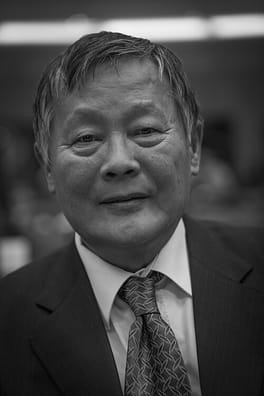
Photo: Photo Claude TRUONG-NGOC / CC BY-SA 3.0 (source: Wikimedia Commons)
Born on May 20, 1950, Wei Jingsheng is from Beijing, People's Republic of China. Wei Jingsheng is a human rights defender and writer. That works out to 76 years old in 2026. Education on record includes High School Affiliated to Renmin University of China. Listed accolades include Sakharov Prize (1996), Amnesty International Menschenrechtspreis (1998), Robert F. Kennedy Human Rights Award (1996) and 2 more.
My Take
Wei Jingsheng moves me more than most people in this database, because his fame was never sought, it was the cost of conscience. Posting 'The Fifth Modernization' on Beijing's Democracy Wall in 1978, demanding democracy alongside the Party's economic reforms, took a courage most of us will never be tested for, and he paid with years of imprisonment. The roll call of honors, the Sakharov Prize, the Robert F. Kennedy and Olof Palme awards, only confirms what his life already proved. I find it striking that a man defined by a single essay reshaped how the world reads China's democracy movement. His example unsettles and inspires in equal measure.
This take was written by generative AI, one per person, from publicly reported facts (editorial policy). It is a reading of the record, not reporting.
1. Profile
- Name (English)
- Wei Jingsheng
- Name (Japanese)
- 魏京生
- Reading
- ぎ・きょうせい
- Born
- May 20, 1950 (age 76)
- Origin
- Beijing, People's Republic of China
- Occupation
- human rights defender / writer
- Zodiac / Chinese zodiac
- Taurus / Tiger
2. Background
- High school
- High School Affiliated to Renmin University of China
- University
- High School Affiliated to Renmin University of China
Awards & achievements
- 1996 Sakharov Prize
- 1998 Amnesty International Menschenrechtspreis
- 1996 Robert F. Kennedy Human Rights Award
- 1994 Olof Palme Prize
- 2000 Truman-Reagan Medal of Freedom
3. Links
- Official sitehttps://www.weijingsheng.org
- Wikipedia (English)https://en.wikipedia.org/wiki/Wei%20Jingsheng
- Wikipedia (Japanese)https://ja.wikipedia.org/wiki/%E9%AD%8F%E4%BA%AC%E7%94%9F
- Wikidatahttps://www.wikidata.org/wiki/Q318130
4. About this entry
Tags
- Last updated
Facts are limited to publicly available information up to 2024; non-public or unconfirmed items are omitted. English text is machine-assisted (facts translated by Sonnet, "My Take" written by Opus 4.8). The Japanese page is the source of record.
Frequently asked questions
When was Wei Jingsheng born?
Born May 20, 1950 (age 76).
Where is Wei Jingsheng from?
Wei Jingsheng is from Beijing, People's Republic of China.
What does Wei Jingsheng do?
Wei Jingsheng works as human rights defender, writer.
Human rights defender — see all → · Writer — see all → · More people from the People's Republic of China →