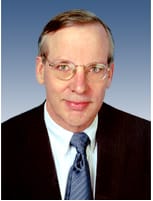
Photo: United States Treasury / Public domain (source: Wikimedia Commons)
William C. Dudley is credited as an economist and banker. Education on record includes New College of Florida.
My Take
Most people would not recognize William C. Dudley's name, and that is precisely why I find him compelling. Running the Federal Reserve Bank of New York from 2009 to 2018 and serving as vice-chair of the Federal Open Market Committee meant steering American monetary policy through the bruising aftermath of the financial crisis, stepping in after Geithner left for Treasury. Economist and banker, he held one of the most consequential and least glamorous levers in the global economy. I keep coming back to the idea that the quietest jobs are often the heaviest, and Dudley is a textbook case of unflashy, steady-handed influence.
This take was written by generative AI, one per person, from publicly reported facts (editorial policy). It is a reading of the record, not reporting.
1. Profile
- Name (English)
- William C. Dudley
- Name (Japanese)
- ウィリアム・ダドリー
- Reading
- うぃりあむ・だどりー
- Born
- 1952
- Origin
- United States, United States
- Occupation
- economist / banker
- Zodiac / Chinese zodiac
- Dragon
2. Background
- University
- New College of Florida
3. Links
4. About this entry
Tags
- Last updated
Facts are limited to publicly available information up to 2024; non-public or unconfirmed items are omitted. English text is machine-assisted (facts translated by Sonnet, "My Take" written by Opus 4.8). The Japanese page is the source of record.
Frequently asked questions
Where is William C. Dudley from?
William C. Dudley is from United States, United States.
What does William C. Dudley do?
William C. Dudley works as economist, banker.
Economist — see all → · Banker — see all → · More people from the United States →