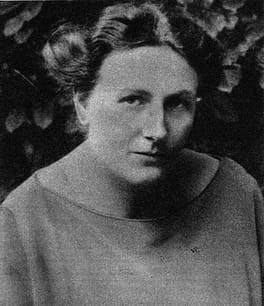
Photo: Unknown photographer / Public domain (source: Wikimedia Commons)
Winifred Wagner was listed as a composer, writer and theatre manager. Winifred Wagner was born in Hastings, United Kingdom on June 23, 1897. Death is recorded on March 5, 1980, at the age of 82.
My Take
Winifred Wagner is a figure I can't write about without unease. English-born, she married into the Wagner dynasty and ran the Bayreuth Festival for fifteen years, which on paper is a serious cultural achievement. But she was also a personal friend and steadfast supporter of Hitler, exchanging regular correspondence with him, and that shadow never lifts. I find her a stark reminder that artistic stewardship and moral judgment are separate things. Bayreuth endured partly through her management, yet her loyalty to a monstrous regime taints the legacy. She's a hard case, important to remember precisely because she's uncomfortable.
This take was written by generative AI, one per person, from publicly reported facts (editorial policy). It is a reading of the record, not reporting.
1. Profile
- Name (English)
- Winifred Wagner
- Name (Japanese)
- ヴィニフレート・ワーグナー
- Reading
- ゔぃにふれーと・わーぐなー
- Born
- June 23, 1897 – March 5, 1980
- Origin
- Hastings, United Kingdom
- Occupation
- composer / writer / theatre manager
- Zodiac / Chinese zodiac
- Cancer / Rooster
2. Links
3. About this entry
Tags
- Last updated
Facts are limited to publicly available information up to 2024; non-public or unconfirmed items are omitted. English text is machine-assisted (facts translated by Sonnet, "My Take" written by Opus 4.8). The Japanese page is the source of record.
Frequently asked questions
When was Winifred Wagner born?
Born June 23, 1897.
When did Winifred Wagner die?
Died March 5, 1980, aged 82.
Where was Winifred Wagner from?
Winifred Wagner was from Hastings, United Kingdom.
What did Winifred Wagner do?
Winifred Wagner worked as composer, writer, theatre manager.
Composer — see all → · Writer — see all → · More people from the United Kingdom →