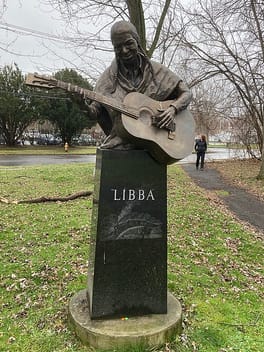
Photo: Smerdis / CC BY-SA 4.0 (source: Wikimedia Commons)
Elizabeth Cotten was credited as a singer, guitarist and folk musician. Born on January 5, 1893, Elizabeth Cotten was from Chapel Hill, North Carolina, United States. Death is recorded on June 29, 1987, at the age of 94. Listed accolades include Grammy Award for Best Ethnic or Traditional Folk Recording (1985) and Rock and Roll Hall of Fame (2022).
My Take
Elizabeth Cotten is one of those figures whose story is almost too good to be true. A self-taught, left-handed player turning a right-handed guitar upside down and inventing her own picking style from scratch is the sort of folk legend that makes me believe in raw, untutored genius. That she earned a Grammy in 1985, well into her nineties, and a posthumous Rock and Roll Hall of Fame induction in 2022 tells me her influence kept compounding long after most careers would have faded. I find her endlessly inspiring: proof that you don't need formal training to leave a permanent mark on American music.
This take was written by generative AI, one per person, from publicly reported facts (editorial policy). It is a reading of the record, not reporting.
1. Profile
- Name (English)
- Elizabeth Cotten
- Name (Japanese)
- エリザベス・コットン
- Reading
- えりざべす・こっとん
- Born
- January 5, 1893 – June 29, 1987
- Origin
- Chapel Hill, North Carolina, United States
- Occupation
- singer / guitarist / folk musician / songwriter
- Zodiac / Chinese zodiac
- Capricorn / Snake
2. Background
Awards & achievements
- 1985 Grammy Award for Best Ethnic or Traditional Folk Recording
- 2022 Rock and Roll Hall of Fame
3. Links
4. About this entry
Tags
- Last updated
Facts are limited to publicly available information up to 2024; non-public or unconfirmed items are omitted. English text is machine-assisted (facts translated by Sonnet, "My Take" written by Opus 4.8). The Japanese page is the source of record.
Frequently asked questions
When was Elizabeth Cotten born?
Born January 5, 1893.
When did Elizabeth Cotten die?
Died June 29, 1987, aged 94.
Where was Elizabeth Cotten from?
Elizabeth Cotten was from Chapel Hill, North Carolina, United States.
What did Elizabeth Cotten do?
Elizabeth Cotten worked as singer, guitarist, folk musician, songwriter.
Singer — see all → · Guitarist — see all → · More people from the United States →