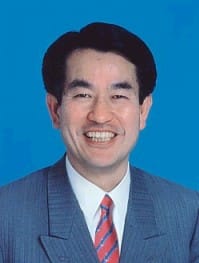
Photo: 内閣官房内閣広報室 / CC BY 4.0 (source: Wikimedia Commons)
My Take
Akihiko Kumashiro is one of those quietly solid figures from postwar Japanese politics — born in Okayama in 1940, which already tells you something. Okayama people have a reputation for being stubborn in the best possible way, loyal to their home turf, not flashy about it. And a University of Tokyo graduate turned local politician in that era? That wasn't an easy path you fell into by accident — you chose it, which I find genuinely respectable. I don't know the granular details of his policy record, and I won't pretend I do, but the shape of the story — Showa-era Japan, rigorous education, decades in public life — paints a picture of someone who put in the work the unglamorous way. The kind of politician who doesn't trend on social media but whose constituents probably knew they could actually reach him. That type doesn't get enough credit.
This take was written by generative AI, one per person, from publicly reported facts (editorial policy). It is a reading of the record, not reporting.
Overview
Akihiko Kumashiro is a Japanese politician born on February 21, 1940, in Okayama City, Okayama Prefecture. He studied at the University of Tokyo. A former Ministry of Health and Welfare official, he served four terms in the House of Representatives and later sat on the Okayama City Council.
1. Profile
- Name (English)
- Akihiko Kumashiro
- Name (Japanese)
- 熊代昭彦
- Reading
- くましろ あきひこ
- Born
- February 21, 1940 (age 86)
- Origin
- Okayama City, Okayama Prefecture, Japan
- Occupation
- Politician
- Zodiac / Chinese zodiac
- Pisces / Dragon
2. Background
- University
- University of Tokyo
3. Links
- Official sitehttp://www.kumashiroakihiko.jp/
- Wikipedia (Japanese)https://ja.wikipedia.org/wiki/%E7%86%8A%E4%BB%A3%E6%98%AD%E5%BD%A6
- Wikidatahttps://www.wikidata.org/wiki/Q4700912
4. About this entry
Tags
- Last updated
Only publicly available facts are listed; non-public or unconfirmed items are omitted. Base data was compiled from Wikidata from June 2026 onward; ages are recalculated daily and deaths are checked against Wikidata on an ongoing basis. English text is machine-assisted (facts translated by Sonnet, "My Take" written by Opus 4.8). The Japanese page is the source of record.
Frequently asked questions
When was Akihiko Kumashiro born?
Akihiko Kumashiro was born on February 21, 1940 and is 86 years old.
Where is Akihiko Kumashiro from?
Akihiko Kumashiro is from Okayama City, Okayama Prefecture, Japan.
What does Akihiko Kumashiro do?
Akihiko Kumashiro works as Politician.
Where did Akihiko Kumashiro study?
Akihiko Kumashiro attended University of Tokyo.
Politician — see all → · More people from Japan → · More people born on February 21 →