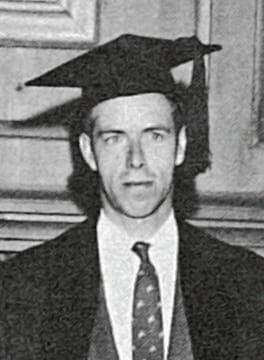
Photo: The University of Vermont Alumni Magazine vol. 39 no. 01, p. 22. / Public domain (source: Wikimedia Commons)
Alan Watts was a philosopher, theologian and writer, born on January 6, 1915 in Kent, United Kingdom. Alan Watts died on November 16, 1973 at the age of 58. Notable works include The Way of Zen.
My Take
Alan Watts fascinates me less as a scholar than as a translator of feeling. He took dense Buddhist, Taoist, and Hindu ideas and made them breathable for a Western audience, never lecturing so much as inviting. What strikes me is that his fame grew from volunteer radio work, proof that voice and sincerity outlast credentials. Decades after his death in 1973, his recordings still circulate widely, which I read as a quiet vote that his message landed. I value him for reminding people that wisdom can be playful, and that taking life less seriously is itself a kind of seriousness worth practicing.
This take was written by generative AI, one per person, from publicly reported facts (editorial policy). It is a reading of the record, not reporting.
1. Profile
- Name (English)
- Alan Watts
- Name (Japanese)
- アラン・ワッツ
- Reading
- あらん・わっつ
- Born
- January 6, 1915 – November 16, 1973
- Origin
- Kent, United Kingdom
- Occupation
- philosopher / theologian / writer / Anglican priest / dramaturge
- Zodiac / Chinese zodiac
- Capricorn / Rabbit
2. Works & records
Filmography / notable works
| Category | Title |
|---|---|
| Notable work | The Way of Zen |
3. Links
- Wikipedia (English)https://en.wikipedia.org/wiki/Alan%20Watts
- Wikipedia (Japanese)https://ja.wikipedia.org/wiki/%E3%82%A2%E3%83%A9%E3%83%B3%E3%83%BB%E3%83%AF%E3%83%83%E3%83%84
- Wikidatahttps://www.wikidata.org/wiki/Q354867
4. About this entry
Tags
- Last updated
Facts are limited to publicly available information up to 2024; non-public or unconfirmed items are omitted. English text is machine-assisted (facts translated by Sonnet, "My Take" written by Opus 4.8). The Japanese page is the source of record.
Frequently asked questions
When was Alan Watts born?
Alan Watts was born on January 6, 1915.
When did Alan Watts die?
Alan Watts died on November 16, 1973, aged 58.
Where was Alan Watts from?
Alan Watts was from Kent, United Kingdom.
What did Alan Watts do?
Alan Watts worked as philosopher, theologian, writer, Anglican priest, dramaturge.
What was Alan Watts known for?
Alan Watts's notable works include The Way of Zen.
Philosopher — see all → · Theologian — see all → · More people from the United Kingdom → · More people born on January 6 →