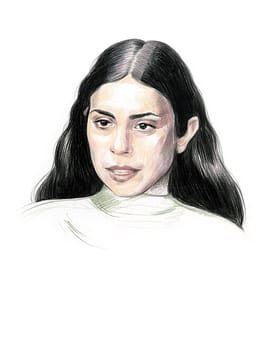
Photo: Carolineandrieu / CC BY-SA 4.0 (source: Wikimedia Commons)
Ana Mendieta, born on November 18, 1948 in Havana, Havana Province, Cuba, was a performance artist, painter and visual artist. Ana Mendieta died on September 8, 1985, aged 36. Education on record includes University of Iowa. Recorded honors include Guggenheim Fellowship (1980) and Rome Prize (1983).
My Take
Ana Mendieta is the kind of artist I find genuinely haunting. Torn from Cuba as a child and resettled in the United States, she turned that rupture into her famous earth-body work, literally pressing her own silhouette into soil, sand, and stone. To me that reads as exile made physical: a woman trying to belong somewhere by carving herself into the land itself. The Guggenheim Fellowship and Rome Prize confirm the recognition, but it is the unfinished arc of a life cut off at 36 that gives her work its ache. Decades on, her questions about body, identity, and belonging still feel painfully current.
This take was written by generative AI, one per person, from publicly reported facts (editorial policy). It is a reading of the record, not reporting.
1. Profile
- Name (English)
- Ana Mendieta
- Name (Japanese)
- アナ・メンディエタ
- Reading
- あな・めんでぃえた
- Born
- November 18, 1948 – September 8, 1985
- Origin
- Havana, Havana Province, Cuba
- Occupation
- performance artist / artist / painter / visual artist / land artist
- Zodiac / Chinese zodiac
- Scorpio / Rat
2. Background
- University
- University of Iowa
Awards & achievements
- 1980 Guggenheim Fellowship
- 1983 Rome Prize
3. Links
4. About this entry
Tags
- Last updated
Facts are limited to publicly available information up to 2024; non-public or unconfirmed items are omitted. English text is machine-assisted (facts translated by Sonnet, "My Take" written by Opus 4.8). The Japanese page is the source of record.
Frequently asked questions
When was Ana Mendieta born?
Born November 18, 1948.
When did Ana Mendieta die?
Died September 8, 1985, aged 36.
Where was Ana Mendieta from?
Ana Mendieta was from Havana, Havana Province, Cuba.
What did Ana Mendieta do?
Ana Mendieta worked as performance artist, artist, painter, visual artist, land artist.
Performance artist — see all → · Artist — see all → · More people from Cuba →