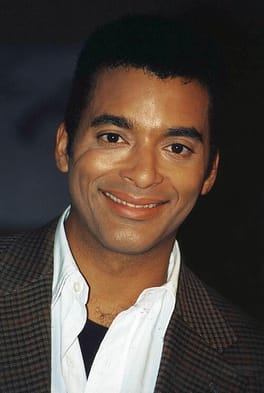
Photo: John Mathew Smith / CC BY-SA 2.0 (source: Wikimedia Commons)
Jon Secada was born in Havana, Havana Province, Cuba on October 4, 1961. Jon Secada is listed as a singer, musician and composer. The age as of 2026 is 64. Education on record includes Hialeah High School and University of Miami. Awards on record include Grammy Award for Best Latin Pop Album (1993, 1996) and Latin Grammy Award for Best Traditional Tropical Album (2017).
My Take
Jon Secada sounds, to me, like the bittersweet warmth of the early nineties distilled into one voice. A Havana-born Cuban-American who studied at the University of Miami, he fused funk, soul, and Latin percussion into something genuinely his own, selling fifteen million records and taking home two Grammys. But what I find most telling is the other half of his career: writing for Gloria Estefan, Ricky Martin, and Jennifer Lopez. He is both a star and a craftsman behind other stars, which is a rarer combination than people credit. As a bridge carrying Latin music to a wider world, shaped by the journey of exile, he has my lasting respect.
This take was written by generative AI, one per person, from publicly reported facts (editorial policy). It is a reading of the record, not reporting.
1. Profile
- Name (English)
- Jon Secada
- Name (Japanese)
- ジョン・セカダ
- Reading
- じょん・せかだ
- Born
- October 4, 1961 (age 64)
- Origin
- Havana, Havana Province, Cuba
- Occupation
- singer / musician / composer / songwriter / recording artist
- Zodiac / Chinese zodiac
- Libra / Ox
2. Background
- High school
- Hialeah High School
- University
- University of Miami
Awards & achievements
- 1993 Grammy Award for Best Latin Pop Album
- 1996 Grammy Award for Best Latin Pop Album
- 2017 Latin Grammy Award for Best Traditional Tropical Album
3. Links
- Official sitehttps://www.jonsecada.com
- Instagramhttps://www.instagram.com/jonsecada/
- Xhttps://x.com/jonsecada
- Wikipedia (English)https://en.wikipedia.org/wiki/Jon%20Secada
- Wikipedia (Japanese)https://ja.wikipedia.org/wiki/%E3%82%B8%E3%83%A7%E3%83%B3%E3%83%BB%E3%82%BB%E3%82%AB%E3%83%80
- Wikidatahttps://www.wikidata.org/wiki/Q946170
4. About this entry
Tags
- Last updated
Facts are limited to publicly available information up to 2024; non-public or unconfirmed items are omitted. English text is machine-assisted (facts translated by Sonnet, "My Take" written by Opus 4.8). The Japanese page is the source of record.
Frequently asked questions
When was Jon Secada born?
Born October 4, 1961 (age 64).
Where is Jon Secada from?
Jon Secada is from Havana, Havana Province, Cuba.
What does Jon Secada do?
Jon Secada works as singer, musician, composer, songwriter, recording artist.
Singer — see all → · Musician — see all → · More people from Cuba →