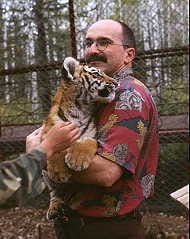
Photo: The original uploader was Gruschke at German Wikipedia. / CC BY-SA 3.0 (source: Wikimedia Commons)
Public records list Andreas Gruschke as an anthropologist, writer and photographer. Born on April 16, 1960, Andreas Gruschke was from Blumenfeld, Freiburg Government Region, Germany. Death is recorded on January 30, 2018, at the age of 57. Education on record includes University of Freiburg.
My Take
This is the kind of figure I most enjoy writing about, a scholar who refused to be boxed into one discipline. An anthropologist, photographer, and dedicated Tibet researcher with training as a geographer, Sinologist, and ethnologist, he clearly insisted on seeing the world from many angles at once. Earning an M.A. at Freiburg and a Ph.D. at Leipzig, then carrying a camera deep into Tibet rather than staying at his desk, speaks to a curiosity I deeply respect. He passed in 2018, but the books and photographs remain, and work that patiently documents the world's quieter corners only grows more valuable with time. A scholar worth a respectful nod.
This take was written by generative AI, one per person, from publicly reported facts (editorial policy). It is a reading of the record, not reporting.
1. Profile
- Name (English)
- Andreas Gruschke
- Name (Japanese)
- アンドレアス・グルシュケ
- Reading
- あんどれあす・ぐるしゅけ
- Born
- April 16, 1960 – January 30, 2018
- Origin
- Blumenfeld, Freiburg Government Region, Germany
- Occupation
- anthropologist / writer / photographer / journalist / film producer
- Zodiac / Chinese zodiac
- Aries / Rat
2. Background
- University
- University of Freiburg
3. Links
4. About this entry
Tags
- Last updated
Facts are limited to publicly available information up to 2024; non-public or unconfirmed items are omitted. English text is machine-assisted (facts translated by Sonnet, "My Take" written by Opus 4.8). The Japanese page is the source of record.
Frequently asked questions
When was Andreas Gruschke born?
Born April 16, 1960.
When did Andreas Gruschke die?
Died January 30, 2018, aged 57.
Where was Andreas Gruschke from?
Andreas Gruschke was from Blumenfeld, Freiburg Government Region, Germany.
What did Andreas Gruschke do?
Andreas Gruschke worked as anthropologist, writer, photographer, journalist, film producer.
Anthropologist — see all → · Writer — see all → · More people from Germany →