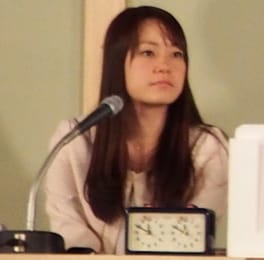
Photo: nakashi from Chofu, Tokyo, JAPAN / CC BY-SA 2.0 (source: Wikimedia Commons)
My Take
Honestly, female professional shogi players are still rare enough that the title alone commands respect, and Aya Fujita is the real deal — not a flash-in-the-pan curiosity but someone who built an actual career in one of Japan's most demanding mental sports. Growing up in Ota, Tokyo, she turned professional at eleven and still went on to finish a degree at Asia University, which tells you this wasn't a whim; she made a deliberate, eyes-open choice. Shogi is brutal in a way most people don't appreciate — every single move is yours and yours alone, no teammates to bail you out, no coach whispering from the sideline. The fact that she has kept at it since turning pro in 1998, even reaching challenger leagues after returning from maternity leave, actually makes her more interesting to me, not less. That kind of focused, low-noise professionalism is genuinely rare, and I'm here for it.
This take was written by generative AI, one per person, from publicly reported facts (editorial policy). It is a reading of the record, not reporting.
Overview
Aya Fujita is a Japanese women's professional shogi player born on March 24, 1987, in Ota, Tokyo. She turned professional in 1998 at 11 years and 6 months, still the youngest ever, later graduated from Asia University, and has hosted NHK's televised shogi tournament since 2016.
1. Profile
- Name (English)
- Aya Fujita
- Name (Japanese)
- 藤田綾
- Reading
- ふじた あや
- Born
- March 24, 1987 (age 39)
- Origin
- Ota, Tokyo, Japan
- Occupation
- Shogi player
- Zodiac / Chinese zodiac
- Aries / Rabbit
2. Background
- University
- Asia University
3. Links
4. About this entry
Tags
- Last updated
Only publicly available facts are listed; non-public or unconfirmed items are omitted. Base data was compiled from Wikidata from June 2026 onward; ages are recalculated daily and deaths are checked against Wikidata on an ongoing basis. English text is machine-assisted (facts translated by Sonnet, "My Take" written by Opus 4.8). The Japanese page is the source of record.
Frequently asked questions
When was Aya Fujita born?
Aya Fujita was born on March 24, 1987 and is 39 years old.
Where is Aya Fujita from?
Aya Fujita is from Ota, Tokyo, Japan.
What does Aya Fujita do?
Aya Fujita works as Shogi player.
Where did Aya Fujita study?
Aya Fujita attended Asia University.