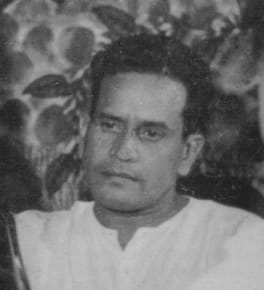
Photo: Bhaskar Bhatt Joshi / CC BY-SA 3.0 (source: Wikimedia Commons)
Bhimsen Joshi was born on February 4, 1922 in Ron, Gadag district, India and was credited as a composer, singer and musician. Death is recorded on January 24, 2011, at the age of 88. Awards on record include Sangeet Natak Akademi Award, Padma Bhushan, Maharashtra Bhushan Award (2002) and 4 more.
My Take
Bhimsen Joshi is, for me, proof that some voices transcend language entirely. A master of Hindustani classical khayal, his renditions carry an emotional charge that hits before you understand a single word. That India awarded him the Bharat Ratna, its highest civilian honour, only confirms what listeners already felt in their bones. He passed in 2011, but his recordings remain astonishingly alive, full of risk and tenderness in equal measure. I admire artists who give their whole life to one discipline and reach the summit of it, and Joshi did exactly that. He's the kind of giant the wider world should know far better.
This take was written by generative AI, one per person, from publicly reported facts (editorial policy). It is a reading of the record, not reporting.
1. Profile
- Name (English)
- Bhimsen Joshi
- Name (Japanese)
- ビームセーン・ジョーシー
- Reading
- びーむせーん・じょーしー
- Born
- February 4, 1922 – January 24, 2011
- Origin
- Ron, Gadag district, India
- Occupation
- composer / singer / musician
- Zodiac / Chinese zodiac
- Aquarius / Dog
2. Background
Awards & achievements
- Sangeet Natak Akademi Award
- Padma Bhushan
- 2002 Maharashtra Bhushan Award
- 1997 Bharat Ratna
- Padma Shri in arts
- 1999 Padma Vibhushan
- Fellow of the Sangeet Natak Akademi
3. Links
- Wikipedia (English)https://en.wikipedia.org/wiki/Bhimsen%20Joshi
- Wikidatahttps://www.wikidata.org/wiki/Q121077
4. About this entry
Tags
- Last updated
Facts are limited to publicly available information up to 2024; non-public or unconfirmed items are omitted. English text is machine-assisted (facts translated by Sonnet, "My Take" written by Opus 4.8). The Japanese page is the source of record.
Frequently asked questions
When was Bhimsen Joshi born?
Bhimsen Joshi was born on February 4, 1922.
When did Bhimsen Joshi die?
Bhimsen Joshi died on January 24, 2011, aged 88.
Where was Bhimsen Joshi from?
Bhimsen Joshi was from Ron, Gadag district, India.
What did Bhimsen Joshi do?
Bhimsen Joshi worked as composer, singer, musician.
Composer — see all → · Singer — see all → · More people from India → · More people born on February 4 →