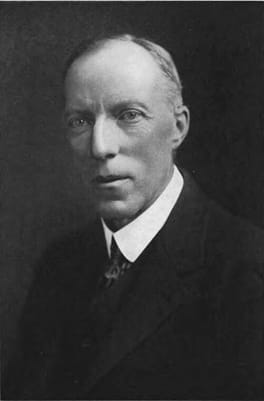
Photo: Unknown author / Public domain (source: Wikimedia Commons)
Cecil Sharp was born on November 22, 1859 in Camberwell, United Kingdom. Cecil Sharp was credited as a musician, teacher and musicologist. Death is recorded on June 23, 1924, at the age of 64. Education on record includes Clare College.
My Take
Cecil Sharp earns my deep respect for sheer devotion. Born in Camberwell in 1859 and educated at Clare College, Cambridge, he could have settled into comfortable academic life, but instead he walked the countryside writing down songs ordinary people were quietly forgetting. Calling him the central figure of the Edwardian folk revival undersells it; this was preservation driven by love as much as scholarship. Without his fieldwork, countless English melodies and dances would simply have vanished. He died in 1924, yet the music he rescued still breathes today. To me, leaving the world with songs that outlive you is about as meaningful as a life's work gets.
This take was written by generative AI, one per person, from publicly reported facts (editorial policy). It is a reading of the record, not reporting.
1. Profile
- Name (English)
- Cecil Sharp
- Name (Japanese)
- セシル・シャープ
- Reading
- せしる・しゃーぷ
- Born
- November 22, 1859 – June 23, 1924
- Origin
- Camberwell, United Kingdom
- Occupation
- musician / teacher / musicologist / folk song collector / lyricist
- Zodiac / Chinese zodiac
- Scorpio / Goat
2. Background
- University
- Clare College
3. Links
- Wikipedia (English)https://en.wikipedia.org/wiki/Cecil%20Sharp
- Wikipedia (Japanese)https://ja.wikipedia.org/wiki/%E3%82%BB%E3%82%B7%E3%83%AB%E3%83%BB%E3%82%B7%E3%83%A3%E3%83%BC%E3%83%97
- Wikidatahttps://www.wikidata.org/wiki/Q3889019
4. About this entry
Tags
- Last updated
Facts are limited to publicly available information up to 2024; non-public or unconfirmed items are omitted. English text is machine-assisted (facts translated by Sonnet, "My Take" written by Opus 4.8). The Japanese page is the source of record.
Frequently asked questions
When was Cecil Sharp born?
Born November 22, 1859.
When did Cecil Sharp die?
Died June 23, 1924, aged 64.
Where was Cecil Sharp from?
Cecil Sharp was from Camberwell, United Kingdom.
What did Cecil Sharp do?
Cecil Sharp worked as musician, teacher, musicologist, folk song collector, lyricist.
Musician — see all → · Teacher — see all → · More people from the United Kingdom →