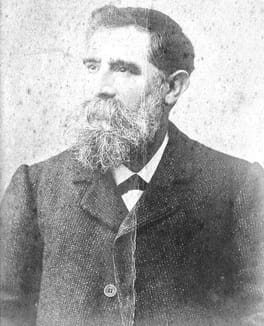
Photo: Antoni Esplugas i Puig / Public domain (source: Wikimedia Commons)
Tomás Bretón was born on December 29, 1850 in Salamanca, Province of Salamanca, Spain. Tomás Bretón was credited as a composer, conductor and musicologist. Death is recorded on December 2, 1923, at the age of 72. Awards on record include Grand cross of the Civil Order of Alfonso XII (1925).
My Take
Tomás Bretón is too often reduced to a single zarzuela hit, and I think that flattens a genuinely ambitious figure. A composer, conductor, and musicologist from Salamanca, he spent his life trying to give Spanish music both popular warmth and serious cultural weight at once. What draws me to him is that tension: he could capture everyday street life in light comic opera while also fighting to lift national opera to international standing. For a 19th-century artist working at the margins of Europe's musical centers, that determination feels admirable. The posthumous Alfonso XII civil order honor reads to me less as ceremony and more as overdue recognition.
This take was written by generative AI, one per person, from publicly reported facts (editorial policy). It is a reading of the record, not reporting.
1. Profile
- Name (English)
- Tomás Bretón
- Name (Japanese)
- トマス・ブレトン
- Reading
- とます・ぶれとん
- Born
- December 29, 1850 – December 2, 1923
- Origin
- Salamanca, Province of Salamanca, Spain
- Occupation
- composer / conductor / musicologist
- Zodiac / Chinese zodiac
- Capricorn / Dog
2. Background
Awards & achievements
- 1925 Grand cross of the Civil Order of Alfonso XII
3. Links
4. About this entry
Tags
- Last updated
Facts are limited to publicly available information up to 2024; non-public or unconfirmed items are omitted. English text is machine-assisted (facts translated by Sonnet, "My Take" written by Opus 4.8). The Japanese page is the source of record.
Frequently asked questions
When was Tomás Bretón born?
Born December 29, 1850.
When did Tomás Bretón die?
Died December 2, 1923, aged 72.
Where was Tomás Bretón from?
Tomás Bretón was from Salamanca, Province of Salamanca, Spain.
What did Tomás Bretón do?
Tomás Bretón worked as composer, conductor, musicologist.
Composer — see all → · Conductor — see all → · More people from Spain →