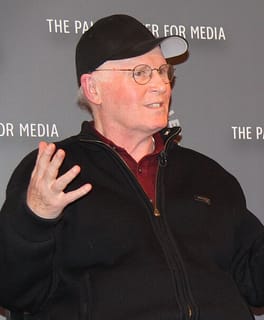
Photo: Adam Schartoff / CC BY 2.0 (source: Wikimedia Commons)
Charles Grodin was a screenwriter, stage actor and film actor. Charles Grodin was born on April 21, 1935 in Pittsburgh, Pennsylvania, United States. Death is recorded on May 18, 2021, at the age of 86. Education on record includes Peabody High School and University of Miami. Awards on record include Primetime Emmy Award.
My Take
Charles Grodin was one of those rare actors who could make you crack up without ever cracking a smile himself — that legendary deadpan was his superpower. Born in Pittsburgh and trained at the University of Miami, he built a career as Hollywood's ultimate straight man, somehow stealing every scene he was in despite usually playing the guy getting steamrolled by circumstances. Whether he was the flustered groom in The Heartbreak Kid, sparring with a giant St. Bernard in Beethoven, or doing his perpetually exasperated thing opposite Robert De Niro in Midnight Run, he had this bone-dry wit that felt completely effortless. He won a Primetime Emmy too, because the man's range went well beyond comedy. He passed away in May 2021 at 85, and honestly, they broke the mold — that particular flavor of wry, understated funny just doesn't exist anymore.
This take was written by generative AI, one per person, from publicly reported facts (editorial policy). It is a reading of the record, not reporting.
1. Profile
- Name (English)
- Charles Grodin
- Name (Japanese)
- チャールズ・グローディン
- Reading
- ちゃーるず・ぐろーでぃん
- Born
- April 21, 1935 – May 18, 2021
- Origin
- Pittsburgh, Pennsylvania, United States
- Occupation
- screenwriter / stage actor / film actor / television actor / writer
- Zodiac / Chinese zodiac
- Taurus / Boar
2. Background
- High school
- Peabody High School
- University
- University of Miami
Awards & achievements
- Primetime Emmy Award
3. Links
4. About this entry
Tags
- Last updated
Facts are limited to publicly available information up to 2024; non-public or unconfirmed items are omitted. English text is machine-assisted (facts translated by Sonnet, "My Take" written by Opus 4.8). The Japanese page is the source of record.
Frequently asked questions
When was Charles Grodin born?
Born April 21, 1935.
When did Charles Grodin die?
Died May 18, 2021, aged 86.
Where was Charles Grodin from?
Charles Grodin was from Pittsburgh, Pennsylvania, United States.
What did Charles Grodin do?
Charles Grodin worked as screenwriter, stage actor, film actor, television actor, writer.
Screenwriter — see all → · Stage actor — see all → · More people from the United States →