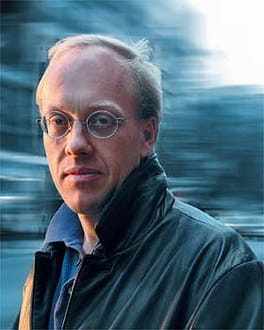
Photo: Chris Hedges / Attribution (source: Wikimedia Commons)
Chris Hedges is listed as a war correspondent, writer and journalist. Chris Hedges was born on September 18, 1956 in St. Johnsbury, Vermont, United States. The age as of 2026 is 70. Schooling on record includes Harvard University. Listed accolades include PEN Oakland/Censorship Award.
My Take
Chris Hedges occupies a category I find increasingly endangered: the moral witness. Most war correspondents either burn out or harden into cynics; Hedges instead turned his frontline years in Central America into a sustained ethical argument about what war does to societies and the people who wage it. I do not always agree with his conclusions, and his pessimism can feel totalizing, but I trust his starting point because he paid for it in person. The mix of divinity training and battlefield reporting gives his prose a sermon's cadence and a dispatch's specificity. That prickly, unfashionable voice is exactly the kind worth keeping around.
This take was written by generative AI, one per person, from publicly reported facts (editorial policy). It is a reading of the record, not reporting.
1. Profile
- Name (English)
- Chris Hedges
- Name (Japanese)
- クリス・ヘッジズ
- Reading
- くりす・へっじず
- Born
- September 18, 1956 (age 70)
- Origin
- St. Johnsbury, Vermont, United States
- Occupation
- war correspondent / writer / journalist / speechwriter
- Zodiac / Chinese zodiac
- Virgo / Monkey
2. Background
- University
- Harvard University
Awards & achievements
- PEN Oakland/Censorship Award
3. Links
- Xhttps://x.com/ChrisLynnHedges
- Wikipedia (English)https://en.wikipedia.org/wiki/Chris%20Hedges
- Wikidatahttps://www.wikidata.org/wiki/Q1274616
4. About this entry
Tags
- Last updated
Facts are limited to publicly available information up to 2024; non-public or unconfirmed items are omitted. English text is machine-assisted (facts translated by Sonnet, "My Take" written by Opus 4.8). The Japanese page is the source of record.
Frequently asked questions
When was Chris Hedges born?
Born September 18, 1956 (age 70).
Where is Chris Hedges from?
Chris Hedges is from St. Johnsbury, Vermont, United States.
What does Chris Hedges do?
Chris Hedges works as war correspondent, writer, journalist, speechwriter.