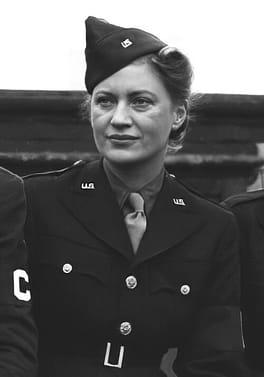
Photo: U.S. Army Official Photograph / CC BY-SA 4.0 (source: Wikimedia Commons)
Born on April 23, 1907, Lee Miller was from Poughkeepsie, New York, United States. Lee Miller was listed as a war correspondent, war photographer and photojournalist. Death is recorded on July 21, 1977, at the age of 70.
My Take
Lee Miller's life still straightens my spine. She began as a New York fashion model in the 1920s, then walked into the frame from the other side and reinvented herself in Paris as a serious photographer. What moves me is the nerve of that pivot, refusing to stay merely beautiful. Then came the harder turn: front-line war correspondent and combat photographer in the Second World War, carrying both an eye for elegance and the will to stare directly at horror. Nearly fifty years after her death, her images still ask whether I would have her courage. I doubt I would.
This take was written by generative AI, one per person, from publicly reported facts (editorial policy). It is a reading of the record, not reporting.
1. Profile
- Name (English)
- Lee Miller
- Name (Japanese)
- リー・ミラー
- Reading
- りー・みらー
- Born
- April 23, 1907 – July 21, 1977
- Origin
- Poughkeepsie, New York, United States
- Occupation
- war correspondent / war photographer / photojournalist / model / journalist
- Zodiac / Chinese zodiac
- Taurus / Goat
2. Links
- Official sitehttps://www.leemiller.co.uk/
- Wikipedia (English)https://en.wikipedia.org/wiki/Lee%20Miller
- Wikipedia (Japanese)https://ja.wikipedia.org/wiki/%E3%83%AA%E3%83%BC%E3%83%BB%E3%83%9F%E3%83%A9%E3%83%BC
- Wikidatahttps://www.wikidata.org/wiki/Q265131
3. About this entry
Tags
- Last updated
Facts are limited to publicly available information up to 2024; non-public or unconfirmed items are omitted. English text is machine-assisted (facts translated by Sonnet, "My Take" written by Opus 4.8). The Japanese page is the source of record.
Frequently asked questions
When was Lee Miller born?
Born April 23, 1907.
When did Lee Miller die?
Died July 21, 1977, aged 70.
Where was Lee Miller from?
Lee Miller was from Poughkeepsie, New York, United States.
What did Lee Miller do?
Lee Miller worked as war correspondent, war photographer, photojournalist, model, journalist.