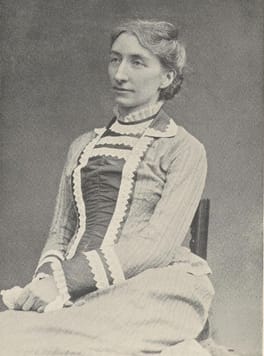
Photo: Unknown author / CC BY 4.0 (source: Wikimedia Commons)
Public records list Cosima Wagner as a composer, writer and director. Cosima Wagner was born on December 24, 1837 in Bellagio, Province of Como, Italy. Death is recorded on April 1, 1930, at the age of 92.
My Take
Cosima Wagner interests me because she is the rare figure who shaped history from behind the curtain. Daughter of Franz Liszt, wife of Richard Wagner, she could easily be filed under famous relatives, yet co-founding and then steering the Bayreuth Festival after her husband's death reveals a formidable will. I see her less as a muse than as an institution-builder operating in an era that gave women little public room. Whether you love or resist the Wagnerian world, her stewardship is undeniable. I find her tenacity, spanning nearly a century of life, genuinely compelling.
This take was written by generative AI, one per person, from publicly reported facts (editorial policy). It is a reading of the record, not reporting.
1. Profile
- Name (English)
- Cosima Wagner
- Name (Japanese)
- コジマ・ワーグナー
- Reading
- こじま・わーぐなー
- Born
- December 24, 1837 – April 1, 1930
- Origin
- Bellagio, Province of Como, Italy
- Occupation
- composer / writer / director / theatre manager / musician
- Zodiac / Chinese zodiac
- Capricorn / Rooster
2. Links
3. About this entry
Tags
- Last updated
Facts are limited to publicly available information up to 2024; non-public or unconfirmed items are omitted. English text is machine-assisted (facts translated by Sonnet, "My Take" written by Opus 4.8). The Japanese page is the source of record.
Frequently asked questions
When was Cosima Wagner born?
Cosima Wagner was born on December 24, 1837.
When did Cosima Wagner die?
Cosima Wagner died on April 1, 1930, aged 92.
Where was Cosima Wagner from?
Cosima Wagner was from Bellagio, Province of Como, Italy.
What did Cosima Wagner do?
Cosima Wagner worked as composer, writer, director, theatre manager, musician.
Composer — see all → · Writer — see all → · More people from Italy → · More people born on December 24 →