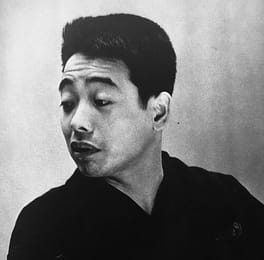
Photo: キネマ旬報社 / Public domain (source: Wikimedia Commons)
My Take
Okay, here's my honest read on Danshi: the man was a genuine rakugo genius, but somehow his foul mouth and refusal to bow to anyone always grabbed the headline before his talent did. He famously stormed out of the rakugo establishment to build his own school rather than play nice, which tells you everything about his scale as a human being. He'd out-argue anyone off-stage, all theory and provocation, then climb up on the cushion and roll out human foolishness so tenderly you'd laugh and almost tear up at once. He even dabbled in politics, because of course a guy who couldn't sit still had to stick his nose everywhere. What gets me most is that for all the insults he hurled, his students and his audiences adored him anyway. A genuinely irreplaceable loss.
This take was written by generative AI, one per person, from publicly reported facts (editorial policy). It is a reading of the record, not reporting.
Overview
Danshi Tatekawa (1935–2011) was one of Japan's most celebrated and controversial rakugo storytellers, known as much for his fierce independence and sharp wit as for his mastery of the art form. Born in Koishikawa, Tokyo, he attended Tokyo High School before forging a career that spanned traditional comic storytelling, politics, and voice acting. Dissatisfied with established conventions, he eventually broke from the mainstream rakugo association and founded his own school, styling himself as iemoto (grand master). He passed away on November 21, 2011, leaving a lasting impact on Japanese performing arts.
1. Profile
- Name (English)
- Danshi Tatekawa
- Name (Japanese)
- 立川談志
- Reading
- たてかわ だんし
- Born
- December 2, 1935 – November 21, 2011
- Origin
- Koishikawa, Tokyo-fu, Japan
- Occupation
- Rakugo performer / Politician / Voice actor
- Zodiac / Chinese zodiac
- Sagittarius / Boar
- Agency
- Tatekawa-ryū
- Active years
- 1952 - 2011
2. Background
- High school
- Tokyo High School
3. Works & records
Works summary
- Appearances
- 62 (1959–2013)
- By year (titles with a known year)
- 1959: 1, 1960: 1, 1963: 1, 1964: 3, 1965: 1, 1966: 4, 1967: 3, 1968: 5, 1969: 4, 1970: 1, 1971: 2, 1976: 1, 1978: 1, 1979: 1, 1981: 1, 1984: 1, 1985: 1, 1989: 2, 1992: 1, 1993: 1, 1995: 1, 1997: 1, 1999: 2, 2000: 2, 2001: 1, 2002: 2, 2004: 2, 2005: 3, 2007: 2, 2008: 2, 2009: 1, 2010: 1, 2013: 2, year unknown: 4
Filmography / notable works
| Category | Title | Year |
|---|---|---|
| Film | 映画 立川談志 | 2013 |
| Film | オース!バタヤン | 2013 |
| TV program | この人を見よ 立川談志 | 2010 |
| TV program | 100年インタビュー | 2009 |
| TV program | 言いたい放だい2008大晦日スペシャル | 2008 |
| Film | 歓喜の歌 | 2008 |
| TV program | 立川談志 71歳の反逆児 | 2007 |
| Radio program | 立川談志・太田光 今夜はふたりで | 2007 |
| TV drama | 理由 日テレヴァージョン | 2005 |
| Radio program | 新・話の泉 | 2005 |
| Radio program | 談志の遺言 | 2005 |
| TV program | 談志・陳平の言いたい放だい | 2004 |
| TV drama | 理由 | 2004 |
| Theatrical anime | ぼのぼの クモモの木のこと | 2002 |
| CM | NO MUSIC,NO LIFE | 2002 |
| Radio program | 立川談志 最後のラジオ | 2001 |
| TV program | そんなに私が悪いのか!? | 2000 |
| Film | 週刊バビロン | 2000 |
| TV drama | 衛星ドラマ劇場 玩具の神様 第1話 | 1999 |
| CD | ゆめの寄席 | 1999 |
| Theatrical anime | ジャングル大帝 | 1997 |
| Film | 団鬼六 人妻蟻地獄 | 1995 |
| TV program | 落語のピン | 1993 |
| Film | 落陽 | 1992 |
| TV program | 家元ショー・ダダダダッ!談志ダッ!! | 1989 |
| TV drama | シリーズ街 幸福の黒いしっぽ | 1989 |
| Film | Horny Diver: Tight Shellfish | 1985 |
| Film | 愛染恭子の未亡人下宿 | 1984 |
| TV program | びんぼう一代 〜五代目古今亭志ん生〜 | 1981 |
| Film | 快楽昇天風呂 | 1979 |
| Film | 出張トルコ また行きます | 1978 |
| Film | 喜劇 大誘拐 | 1976 |
| TV program | やじうま寄席 | 1971 |
| Film | 喜劇 いじわる大障害 | 1971 |
| TV drama | テキは幾万ありとても | 1970 |
| Film | 猛烈社員 スリゴマ忍法 | 1969 |
| Theatrical anime | 千夜一夜物語 | 1969 |
| Radio program | 談志・円鏡 歌謡合戦 | 1969 |
| Radio program | 歌謡大行進 | 1969 |
| TV drama | 女房はロボットにしてしまえ | 1968 |
| Film | 悪党社員遊侠伝 | 1968 |
| Film | 昭和元禄ハレンチ節 | 1968 |
| Film | まっぴら社員遊侠伝 | 1968 |
| Film | 極道社員遊侠伝 | 1968 |
| TV drama | 純愛シリーズ 北上川哀歌 | 1967 |
| TV drama | アイウエオ | 1967 |
| Film | Monsieur Zivaco | 1967 |
| TV drama | 特ダネ記者 | 1966 |
| TV drama | オットいたゞき 第8回 | 1966 |
| Film | 落語野郎 大脱線 | 1966 |
| Film | 落語野郎 大馬鹿時代 | 1966 |
| TV drama | 堂々たる人生 | 1965 |
| TV program | まんが学校 | 1964 |
| TV drama | 巷談春宵亭 | 1964 |
| TV drama | テレビ芸術座 仰げば尊し | 1964 |
| TV anime | Top Cat | 1963 |
| CM | ホンコンやきそば | 1960 |
| Film | 寄席の人人 | 1959 |
| TV program | 続・言いたい放題 |
4. Links
5. About this entry
Tags
- Last updated
Only publicly available facts are listed; non-public or unconfirmed items are omitted. Base data was compiled from Wikidata from June 2026 onward; ages are recalculated daily and deaths are checked against Wikidata on an ongoing basis. Works and profile fields sourced from Wikipedia reflect content as of 2026-08-26. English text is machine-assisted (facts translated by Sonnet, "My Take" written by Opus 4.8). The Japanese page is the source of record.
Frequently asked questions
When was Danshi Tatekawa born?
Danshi Tatekawa was born on December 2, 1935.
When did Danshi Tatekawa die?
Danshi Tatekawa died on November 21, 2011, aged 75.
Where was Danshi Tatekawa from?
Danshi Tatekawa was from Koishikawa, Tokyo-fu, Japan.
What did Danshi Tatekawa do?
Danshi Tatekawa worked as Rakugo performer, Politician, Voice actor.
Which high school did Danshi Tatekawa attend?
Danshi Tatekawa attended Tokyo High School.
What agency was Danshi Tatekawa with?
Danshi Tatekawa was with Tatekawa-ryū.
When was Danshi Tatekawa active?
Danshi Tatekawa was active from 1952 to 2011.
What was Danshi Tatekawa known for?
Danshi Tatekawa's notable works include NO MUSIC,NO LIFE.
Politician — see all → · More people from Japan → · More people born on December 2 →