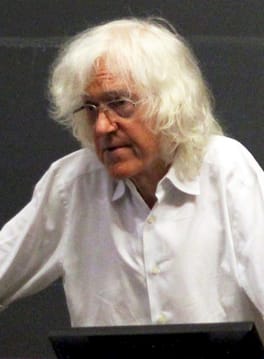
Photo: Anna Riedl / CC BY-SA 4.0 (source: Wikimedia Commons)
Derek Parfit was born on December 11, 1942 in Chengdu, People's Republic of China. Derek Parfit was credited as a philosopher. Death is recorded on January 1, 2017, at the age of 74. Education on record includes Eton College. Recorded honors include Rolf Schock Prize in Logic and Philosophy (2014).
My Take
Derek Parfit is the kind of thinker I genuinely admire from a distance. A British philosopher working on personal identity, rationality, and ethics, he's widely counted among the most influential moral philosophers of recent decades, and I can see why. What strikes me is that his 1971 paper on personal identity made his name almost immediately, which is rare in philosophy. Winning the 2014 Rolf Schock Prize in Logic and Philosophy confirmed his standing. To me, what makes him compelling is that he asked unsettling questions about what makes us the same person over time. He died in early 2017, but those questions clearly outlive him.
This take was written by generative AI, one per person, from publicly reported facts (editorial policy). It is a reading of the record, not reporting.
1. Profile
- Name (English)
- Derek Parfit
- Name (Japanese)
- デレク・パーフィット
- Reading
- でれく・ぱーふぃっと
- Born
- December 11, 1942 – January 1, 2017
- Origin
- Chengdu, People's Republic of China
- Occupation
- philosopher
- Zodiac / Chinese zodiac
- Sagittarius / Horse
2. Background
- University
- Eton College
Awards & achievements
- 2014 Rolf Schock Prize in Logic and Philosophy
3. Links
4. About this entry
Tags
- Last updated
Facts are limited to publicly available information up to 2024; non-public or unconfirmed items are omitted. English text is machine-assisted (facts translated by Sonnet, "My Take" written by Opus 4.8). The Japanese page is the source of record.
Frequently asked questions
When was Derek Parfit born?
Born December 11, 1942.
When did Derek Parfit die?
Died January 1, 2017, aged 74.
Where was Derek Parfit from?
Derek Parfit was from Chengdu, People's Republic of China.
What did Derek Parfit do?
Derek Parfit worked as philosopher.
Philosopher — see all → · More people from the People's Republic of China →