Photo: Dan Lundberg / CC BY-SA 2.0 (source: Wikimedia Commons)
My Take
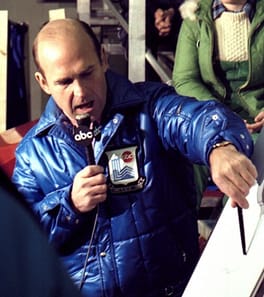
Dick Button is, to me, the patron saint of figure skating commentary and one of the genuine pioneers of the sport. Two Olympic golds and five straight World titles would be legacy enough, but he also pushed the technical envelope, landing the first double axel and the first triple jump ever seen in competition. What I love most is his second act as a broadcaster, where his blunt, knowledgeable voice taught generations of American viewers how to actually watch skating. When he spoke, you believed him because he had done it himself at the highest level. Few athletes shape a sport twice; he managed it.
This take was written by generative AI, one per person, from publicly reported facts (editorial policy). It is a reading of the record, not reporting.
Overview
Dick Button (1929-2025) was an American figure skater and television commentator born in Englewood, New Jersey. He won two Olympic gold medals, in 1948 and 1952, and five consecutive World Championships, and is widely credited with revolutionizing the sport by landing the first double axel and the first triple jump in competition. After retiring he became the long-running, Emmy-winning voice of figure skating on American television. He was inducted into the New Jersey Hall of Fame in 2024.
1. Profile
- Name (English)
- Dick Button
- Name (Japanese)
- ディック・バトン
- Reading
- でぃっく・ばとん
- Born
- July 18, 1929
- Origin
- Englewood, New Jersey, United States
- Occupation
- Actor / Television actor / Figure skater / Film actor
- Zodiac / Chinese zodiac
- Cancer / Snake
2. Background
Awards & achievements
- 2024 New Jersey Hall of Fame
3. Links
- Official sitehttp://www.dickbutton.com
- Xhttps://x.com/PushDicksButton
- Wikipedia (English)https://en.wikipedia.org/wiki/Dick%20Button
- Wikipedia (Japanese)https://ja.wikipedia.org/wiki/%E3%83%87%E3%82%A3%E3%83%83%E3%82%AF%E3%83%BB%E3%83%90%E3%83%88%E3%83%B3
- Wikidatahttps://www.wikidata.org/wiki/Q572177
4. About this entry
Tags
- Last updated
Facts are limited to publicly available information up to 2024; non-public or unconfirmed items are omitted. English text is machine-assisted (facts translated by Sonnet, "My Take" written by Opus 4.8). The Japanese page is the source of record.
Frequently asked questions
When was Dick Button born?
Born July 18, 1929.
Where was Dick Button from?
Dick Button was from Englewood, New Jersey, United States.
What did Dick Button do?
Dick Button worked as Actor, Television actor, Figure skater, Film actor.
Actor — see all → · Television actor — see all → · More people from the United States →