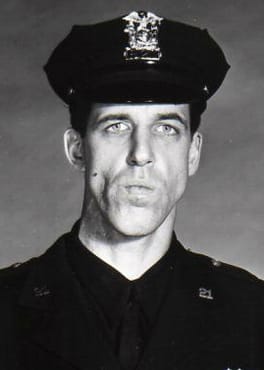
Photo: NBC Television / Public domain (source: Wikimedia Commons)
Fred Gwynne was credited as an illustrator, stage actor and television actor. Fred Gwynne was born in New York City, New York, United States on July 10, 1926. Death is recorded on July 2, 1993, at the age of 66. Education on record includes Harvard University.
My Take
Fred Gwynne was the kind of character actor who made everything richer just by showing up. A Harvard man who happily became the towering, gentle Herman Munster, he proved real intelligence and comic warmth can live in the same performer. Late in his career his stern judge in My Cousin Vinny showed how much weight he could carry with a single look. He also wrote and illustrated children's books, a reminder of how multifaceted he was. Since his death in 1993 I have missed that blend of dignity and humor; it is genuinely irreplaceable.
This take was written by generative AI, one per person, from publicly reported facts (editorial policy). It is a reading of the record, not reporting.
1. Profile
- Name (English)
- Fred Gwynne
- Name (Japanese)
- フレッド・グウィン
- Reading
- ふれっど・ぐうぃん
- Born
- July 10, 1926 – July 2, 1993
- Origin
- New York City, New York, United States
- Occupation
- actor / illustrator / stage actor / television actor / writer
- Zodiac / Chinese zodiac
- Cancer / Tiger
2. Background
- University
- Harvard University
3. Links
4. About this entry
Tags
- Last updated
Facts are limited to publicly available information up to 2024; non-public or unconfirmed items are omitted. English text is machine-assisted (facts translated by Sonnet, "My Take" written by Opus 4.8). The Japanese page is the source of record.
Frequently asked questions
When was Fred Gwynne born?
Fred Gwynne was born on July 10, 1926.
When did Fred Gwynne die?
Fred Gwynne died on July 2, 1993, aged 66.
Where was Fred Gwynne from?
Fred Gwynne was from New York City, New York, United States.
What did Fred Gwynne do?
Fred Gwynne worked as actor, illustrator, stage actor, television actor, writer.
Where did Fred Gwynne study?
Fred Gwynne attended Harvard University.
Actor — see all → · Illustrator — see all → · More people from the United States → · More people born on July 10 →