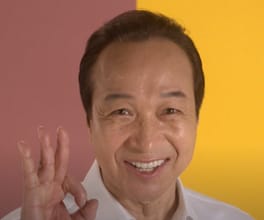
Photo: Wakasaimo わかさいも本舗 / CC BY 3.0 (source: Wikimedia Commons)
My Take
I have such a soft spot for Fumiyo Kohinata, the kind of actor whose name you might blank on but whose face makes you go "oh good, the movie's in safe hands." Born in Hokkaido back in '54, he's the platonic ideal of the Japanese character actor: he can play the warmest, gentlest dad alive, then flip to a quietly chilling cold-eyed creep that makes you do a genuine double take. What I love is the restraint, he never hogs a scene, never oversells, just slides in and tightens the whole thing up with this unbothered, almost weightless presence. That's craft you only earn from decades of patient, unglamorous work. He's the rare guy who doesn't need to be the lead to be the reason a film works, and honestly that's my favorite kind of performer.
This take was written by generative AI, one per person, from publicly reported facts (editorial policy). It is a reading of the record, not reporting.
Story
The Reassurance of Fumiyo Kohinata: A Character Actor's Quiet Craft
Overview
Fumiyo Kohinata is a Japanese actor born on January 23, 1954, in Mikasa, Hokkaido, Japan. He has built a long career as a versatile supporting and character actor, equally convincing in warm father figures and unsettling antagonists. His understated, naturalistic presence has made him a trusted fixture across Japanese film and television productions.
1. Profile
- Name (English)
- Fumiyo Kohinata
- Name (Japanese)
- 小日向文世
- Reading
- こひなた ふみよ
- Born
- January 23, 1954 (age 72)
- Origin
- Mikasa, Hokkaido, Japan
- Height
- 164 cm
- Occupation
- Actor
- Zodiac / Chinese zodiac
- Aquarius / Horse
- Blood type
- O
- Active years
- 1977 -
2. Relationships
- Spouse
- Married (1993 -)
3. Works & records
Works summary
- Appearances
- 364 (1988–2026)
- By year (titles with a known year)
- 1988: 1, 1992: 1, 1993: 2, 1995: 1, 1996: 2, 1997: 8, 1998: 6, 1999: 7, 2000: 9, 2001: 10, 2002: 9, 2003: 6, 2004: 19, 2005: 18, 2006: 14, 2007: 14, 2008: 15, 2009: 13, 2010: 13, 2011: 14, 2012: 11, 2013: 13, 2014: 15, 2015: 14, 2016: 11, 2017: 12, 2018: 11, 2019: 16, 2020: 9, 2021: 7, 2022: 10, 2023: 12, 2024: 6, 2025: 10, 2026: 9, year unknown: 16
Filmography / notable works
| Category | Title | Year |
|---|---|---|
| Stage | アメリカン・ドリーム | 2026 |
| Film | 教場 Requiem | 2026 |
| Film | お終活3 幸春!人生メモリーズ | 2026 |
| TV drama | VIVANT 第2シーズン | 2026 |
| TV drama | リボーン 〜最後のヒーロー〜 | 2026 |
| TV drama | 俺たちの箱根駅伝 | 2026 |
| 教場 Reunion | 2026 | |
| TV program | 中村雅俊&小日向文世“心の兄弟”ふたり旅 | 2026 |
| TV program | Jounetsu Tairiku | 2026 |
| Film | サンセット・サンライズ | 2025 |
| Film | 盤上の向日葵 | 2025 |
| Film | 緊急取調室 THE FINAL | 2025 |
| TV drama | The Ghost Writer's Wife | 2025 |
| TV drama | 緊急取調室 FIFTH SEASON | 2025 |
| TV drama | ホットスポット | 2025 |
| TV drama | わが家は楽し | 2025 |
| TV drama | 人事の人見 | 2025 |
| Web drama | サブスクおじいちゃん | 2025 |
| Web drama | 緊急取調室 FINAL CROSSROAD | 2025 |
| Film | 劇場版 アナウンサーたちの戦争 | 2024 |
| TV drama | Believe-君にかける橋- | 2024 |
| TV drama | 降り積もれ孤独な死よ | 2024 |
| TV drama | AARO -All-domain Anomaly Resolution Office- | 2024 |
| Dubbing | Ultraman: Rising | 2024 |
| CM | がんばるあなたに、再就職。 | 2024 |
| Stage | 海をゆく者 | 2023 |
| Film | 映画 イチケイのカラス | 2023 |
| Film | 湯道 | 2023 |
| Film | 大名倒産 | 2023 |
| TV drama | 風間公親-教場0- | 2023 |
| TV drama | イチケイのカラス スペシャル | 2023 |
| TV drama | 名優 笠智衆〜春風のあるがごとし〜 | 2023 |
| TV drama | VIVANT 第1話 - 第4話 | 2023 |
| TV drama | アナウンサーたちの戦争 | 2023 |
| TV drama | 下剋上球児 | 2023 |
| Web drama | THE DAYS | 2023 |
| CM | ベンナビ | 2023 |
| Stage | 私の恋人beyond | 2022 |
| Film | コンフィデンスマンJP -英雄編- | 2022 |
| Film | “それ”がいる森 | 2022 |
| TV drama | Season1 | 2022 |
| TV drama | 緊急取調室 特別招集 2022 8億円のお年玉 | 2022 |
| TV drama | 管理官キング | 2022 |
| TV drama | ミステリと言う勿れ 第5話・第10話・第11話 | 2022 |
| TV drama | 木のストロー | 2022 |
| TV drama | 競争の番人 | 2022 |
| Web drama | 恋に落ちたおひとりさま〜スタンダールの恋愛論〜 | 2022 |
| Film | マスカレード・ナイト | 2021 |
| Film | 劇場版 奥様は、取り扱い注意 | 2021 |
| TV drama | 緊急取調室 FOURTH SEASON | 2021 |
| TV drama | 欠点だらけの刑事 | 2021 |
| TV drama | 教場II | 2021 |
| TV drama | イチケイのカラス | 2021 |
| CM | The Power of LIKE | 2021 |
| Stage | ART | 2020 |
| Film | コンフィデンスマンJP -プリンセス編- | 2020 |
| TV drama | 第6作 | 2020 |
| TV drama | フジテレビ開局60周年特別企画 教場 | 2020 |
| TV drama | 70才、初めて産みますセブンティウイザン。 | 2020 |
| TV drama | さよならMyWay!!! | 2020 |
4. Links
- Official sitehttp://www.fathers.jp/kohinata.html
- Wikipedia (Japanese)https://ja.wikipedia.org/wiki/%E5%B0%8F%E6%97%A5%E5%90%91%E6%96%87%E4%B8%96
- Wikidatahttps://www.wikidata.org/wiki/Q873885
5. About this entry
Tags
- Last updated
Only publicly available facts are listed; non-public or unconfirmed items are omitted. Base data was compiled from Wikidata from June 2026 onward; ages are recalculated daily and deaths are checked against Wikidata on an ongoing basis. Works and profile fields sourced from Wikipedia reflect content as of 2026-08-26. English text is machine-assisted (facts translated by Sonnet, "My Take" written by Opus 4.8). The Japanese page is the source of record.
Frequently asked questions
When was Fumiyo Kohinata born?
Fumiyo Kohinata was born on January 23, 1954 and is 72 years old.
Where is Fumiyo Kohinata from?
Fumiyo Kohinata is from Mikasa, Hokkaido, Japan.
What does Fumiyo Kohinata do?
Fumiyo Kohinata works as Actor.
How tall is Fumiyo Kohinata?
Fumiyo Kohinata is 164 cm tall.
What is Fumiyo Kohinata's blood type?
Fumiyo Kohinata's blood type is O.
How long has Fumiyo Kohinata been active?
Fumiyo Kohinata has been active since 1977.
What is Fumiyo Kohinata known for?
Fumiyo Kohinata's notable works include Ultraman: Rising, THE DAYS, Season1.
Actor — see all → · More people from Japan → · More people born on January 23 →