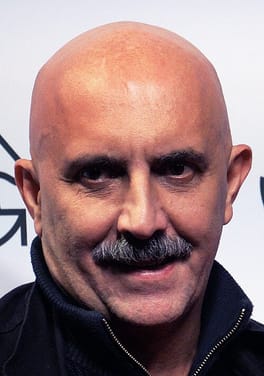
Photo: Joost Pauwels / CC0 (source: Wikimedia Commons)
Born on December 27, 1963 in Buenos Aires, Argentina, Gaspar Noé is a film director, screenwriter and film producer. Gaspar Noé is 62 years old as of 2026. Listed accolades include Sitges Film Festival Best Screenplay award (1998) and Sitges Film Festival Best Feature-Length Film award (2018). The listed height is 173 cm.
My Take
Gaspar Noé exhausts me, and I mean that as a compliment. Born in Buenos Aires but operating out of France, he is the standard-bearer for the New French Extremity, and his films refuse to let you look away, holding shots until they become unbearable. It would be easy to dismiss the unsimulated sex, violence and drug imagery as provocation, but his Sitges wins for both screenplay and feature prove there is genuine craft underneath the shock. I would never recommend him to everyone, yet for anyone curious about where cinema's limits actually lie, Noé is essential, uncomfortable, unforgettable viewing.
This take was written by generative AI, one per person, from publicly reported facts (editorial policy). It is a reading of the record, not reporting.
1. Profile
- Name (English)
- Gaspar Noé
- Name (Japanese)
- ギャスパー・ノエ
- Reading
- ぎゃすぱー・のえ
- Born
- December 27, 1963 (age 62)
- Origin
- Buenos Aires, Argentina
- Height
- 173 cm
- Occupation
- film director / screenwriter / film producer / director / film editor
- Zodiac / Chinese zodiac
- Capricorn / Rabbit
2. Background
Awards & achievements
- 1998 Sitges Film Festival Best Screenplay award
- 2018 Sitges Film Festival Best Feature-Length Film award
3. Links
4. About this entry
Tags
- Last updated
Facts are limited to publicly available information up to 2024; non-public or unconfirmed items are omitted. English text is machine-assisted (facts translated by Sonnet, "My Take" written by Opus 4.8). The Japanese page is the source of record.
Frequently asked questions
When was Gaspar Noé born?
Gaspar Noé was born on December 27, 1963 and is 62 years old.
Where is Gaspar Noé from?
Gaspar Noé is from Buenos Aires, Argentina.
What does Gaspar Noé do?
Gaspar Noé works as film director, screenwriter, film producer, director, film editor.
How tall is Gaspar Noé?
Gaspar Noé is 173 cm tall.
Film director — see all → · Screenwriter — see all → · More people from Argentina → · More people born on December 27 →