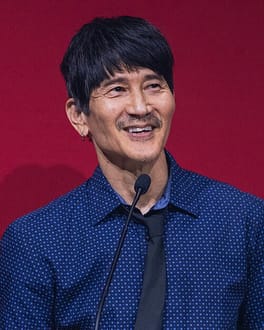
Photo: Kevin Paul / CC BY 4.0 (source: Wikimedia Commons)
Gregg Araki was born on December 17, 1959 in Los Angeles, California, United States. Gregg Araki is a film director, screenwriter and film editor. The age as of 2026 is 66. Schooling on record includes University of Southern California.
My Take
Gregg Araki is one of those filmmakers who feels like he was beamed in from a parallel universe where queer punk kids got to tell their own stories before anyone gave them permission. Coming out of USC and the early-90s New Queer Cinema wave, he made his Teenage Apocalypse trilogy — Totally F***ed Up, The Doom Generation, Nowhere — on shoestring budgets with a raw, neon-drenched style that felt like no one else working at the time. I love that he never cleaned himself up for mainstream respectability; even when he pivoted to something more polished like Mysterious Skin, the emotional gut-punch was still completely his. Winning the inaugural Queer Palm at Cannes for Kaboom in 2010 felt like a perfect full-circle moment. He's a singular voice, full stop.
This take was written by generative AI, one per person, from publicly reported facts (editorial policy). It is a reading of the record, not reporting.
1. Profile
- Name (English)
- Gregg Araki
- Name (Japanese)
- グレッグ・アラキ
- Reading
- ぐれっぐ・あらき
- Born
- December 17, 1959 (age 66)
- Origin
- Los Angeles, California, United States
- Occupation
- film director / screenwriter / film editor / cinematographer / film producer
- Zodiac / Chinese zodiac
- Sagittarius / Boar
2. Background
- University
- University of Southern California
3. Links
- Wikipedia (English)https://en.wikipedia.org/wiki/Gregg%20Araki
- Wikipedia (Japanese)https://ja.wikipedia.org/wiki/%E3%82%B0%E3%83%AC%E3%83%83%E3%82%B0%E3%83%BB%E3%82%A2%E3%83%A9%E3%82%AD
- Wikidatahttps://www.wikidata.org/wiki/Q708899
4. About this entry
Tags
- Last updated
Facts are limited to publicly available information up to 2024; non-public or unconfirmed items are omitted. English text is machine-assisted (facts translated by Sonnet, "My Take" written by Opus 4.8). The Japanese page is the source of record.
Frequently asked questions
When was Gregg Araki born?
Born December 17, 1959 (age 66).
Where is Gregg Araki from?
Gregg Araki is from Los Angeles, California, United States.
What does Gregg Araki do?
Gregg Araki works as film director, screenwriter, film editor, cinematographer, film producer.
Film director — see all → · Screenwriter — see all → · More people from the United States →