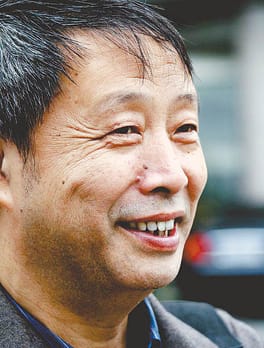
Photo: IsaacMao / CC BY 2.0 (source: Wikimedia Commons)
Han Shaogong was born in Changsha, People's Republic of China on January 1, 1953. Public records list Han Shaogong as a translator and writer. That works out to 73 years old in 2026. Education on record includes Wuhan University. Listed accolades include Lu Xun Literary Prize for Excellent Proses and Essays (2007).
My Take
Han Shaogong carries the weight of modern Chinese literature for me. Born in Changsha in 1953 and educated at Wuhan University, he belongs to the generation shaped by the Cultural Revolution, and you can feel that lived history pressing against his fiction. Winning the Lu Xun Literary Prize in 2007 is no small thing; carrying Lu Xun's name signals real literary seriousness. He strikes me as a writer of place and memory rather than easy entertainment, someone digging into the bond between people and their roots. That he also translates tells me he is obsessed with language itself. He is firmly on my list of authors I want to read properly.
This take was written by generative AI, one per person, from publicly reported facts (editorial policy). It is a reading of the record, not reporting.
1. Profile
- Name (English)
- Han Shaogong
- Name (Japanese)
- 韓少功
- Reading
- かん・しょうこう
- Born
- January 1, 1953 (age 73)
- Origin
- Changsha, People's Republic of China
- Occupation
- translator / writer
- Zodiac / Chinese zodiac
- Capricorn / Snake
2. Background
- University
- Wuhan University
Awards & achievements
- 2007 Lu Xun Literary Prize for Excellent Proses and Essays
3. Links
- Wikipedia (English)https://en.wikipedia.org/wiki/Han%20Shaogong
- Wikipedia (Japanese)https://ja.wikipedia.org/wiki/%E9%9F%93%E5%B0%91%E5%8A%9F
- Wikidatahttps://www.wikidata.org/wiki/Q716800
4. About this entry
Tags
- Last updated
Facts are limited to publicly available information up to 2024; non-public or unconfirmed items are omitted. English text is machine-assisted (facts translated by Sonnet, "My Take" written by Opus 4.8). The Japanese page is the source of record.
Frequently asked questions
When was Han Shaogong born?
Born January 1, 1953 (age 73).
Where is Han Shaogong from?
Han Shaogong is from Changsha, People's Republic of China.
What does Han Shaogong do?
Han Shaogong works as translator, writer.
Translator — see all → · Writer — see all → · More people from the People's Republic of China →