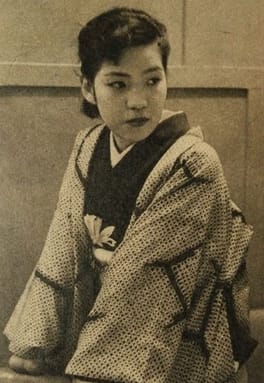
Photo: 朝日新聞社 / Public domain (source: Wikimedia Commons)
My Take
Hanko Kagurazaka is one of those postwar Japanese singers who carries the whole weight of an era in her name alone — "Kagurazaka" conjures the lantern-lit alleys of old Tokyo, a world of shamisen and shitamachi grit, and she wore that identity like it was armor. Born in 1931, she came up during a time when Japan was literally rebuilding itself from ash, and singers like her weren't just entertainers — they were emotional infrastructure for ordinary people who needed something to hold onto. I never got the chance to hear her live, obviously, but there's something quietly proud about choosing a neighborhood as your stage name; it's a declaration, not just a label. The kind of artist you wish you'd discovered earlier.
This take was written by generative AI, one per person, from publicly reported facts (editorial policy). It is a reading of the record, not reporting.
Overview
Hanko Kagurazaka (March 24, 1931 – June 10, 1995) was a Japanese singer born in Tokyo. She was active during the postwar Showa era, a period of cultural rebuilding in Japan. She passed away on June 10, 1995, at the age of 64.
1. Profile
- Name (English)
- Hanko Kagurazaka
- Name (Japanese)
- 神楽坂はん子
- Reading
- かぐらざか はんこ
- Born
- March 24, 1931 – June 10, 1995
- Origin
- Tokyo, Japan
- Occupation
- Singer
- Zodiac / Chinese zodiac
- Aries / Goat
2. Works & records
Works summary
- Appearances
- 1 (1967)
- By year
- 1967: 1
- Debut work
- お酒に刀が浮いていた
Filmography / notable works
| Category | Title | Year |
|---|---|---|
| ドラマ出演 | お酒に刀が浮いていた | 1967 |
3. Links
4. About this entry
Tags
- Last updated
Facts are limited to publicly available information up to 2024; non-public or unconfirmed items are omitted. Works and profile fields sourced from Wikipedia reflect content as of 2026-08-26. English text is machine-assisted (facts translated by Sonnet, "My Take" written by Opus 4.8). The Japanese page is the source of record.
Frequently asked questions
When was Hanko Kagurazaka born?
Born March 24, 1931.
When did Hanko Kagurazaka die?
Died June 10, 1995, aged 64.
Where was Hanko Kagurazaka from?
Hanko Kagurazaka was from Tokyo, Japan.
What did Hanko Kagurazaka do?
Hanko Kagurazaka worked as Singer.
What was Hanko Kagurazaka known for?
Notable works include お酒に刀が浮いていた.