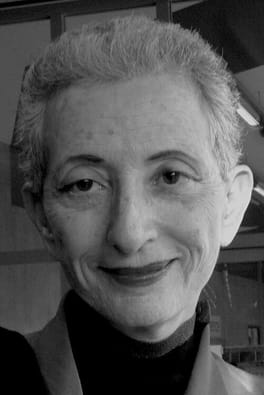
Photo: Claude TRUONG-NGOC / CC BY-SA 3.0 (source: Wikimedia Commons)
Hélène Cixous was born in Oran, Oran Province, Algeria on June 5, 1937. Hélène Cixous is a poet, essayist and playwright. That works out to 89 years old in 2026. Recorded honors include Prix Médicis (1969), Officer of the Legion of Honour (2014), Prix de la langue française (2014) and 3 more.
My Take
Hélène Cixous is, to me, simply essential. Few writers reshaped how we think about writing and gender as boldly as she did, and she did not merely theorize, she built the first women's studies center at a European university in 1969. That combination of radical thought and institutional action is rare and admirable. Her work moves freely between poetry, theatre, and criticism, refusing to sit still, and the honours stacked beside her name only hint at her influence. What I treasure most is the heat of her language. That she still writes, decades on, commands genuine reverence.
This take was written by generative AI, one per person, from publicly reported facts (editorial policy). It is a reading of the record, not reporting.
1. Profile
- Name (English)
- Hélène Cixous
- Name (Japanese)
- エレーヌ・シクスー
- Reading
- えれーぬ・しくすー
- Born
- June 5, 1937 (age 89)
- Origin
- Oran, Oran Province, Algeria
- Occupation
- poet / essayist / playwright / scholar of English / women's rights activist
- Zodiac / Chinese zodiac
- Gemini / Ox
2. Background
Awards & achievements
- 1969 Prix Médicis
- 2014 Officer of the Legion of Honour
- 2014 Prix de la langue française
- 2016 Commandeur des Arts et des Lettres
- 2017 Francine and Antoine Bernheim Award for Arts, Literature and Science
- 2021 The prize of the BNF
3. Links
4. About this entry
Tags
- Last updated
Facts are limited to publicly available information up to 2024; non-public or unconfirmed items are omitted. English text is machine-assisted (facts translated by Sonnet, "My Take" written by Opus 4.8). The Japanese page is the source of record.
Frequently asked questions
When was Hélène Cixous born?
Hélène Cixous was born on June 5, 1937 and is 89 years old.
Where is Hélène Cixous from?
Hélène Cixous is from Oran, Oran Province, Algeria.
What does Hélène Cixous do?
Hélène Cixous works as poet, essayist, playwright, scholar of English, women's rights activist.
Poet — see all → · Essayist — see all → · More people from Algeria → · More people born on June 5 →