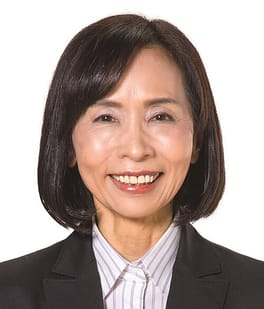
Photo: 内閣府地方創生推進室 / CC BY 4.0 (source: Wikimedia Commons)
My Take
Rusutsu is a Hokkaido village most people only know as a ski resort, so when I first came across Hisako Sato I was genuinely surprised — this woman grew up there, spent decades in the village office and ended up as its mayor. Born in 1959, she's squarely from Japan's high-growth-era generation, the kind of people who came of age watching the country reinvent itself and figured they'd have a hand in shaping what came next. She worked her way up from the village office's health and medical care section to a seat on the assembly in 2019 and the mayor's office in 2021, and honestly, that kind of ground-level, community-rooted politician is often the one who actually knows what's going on in people's lives. I have a soft spot for people who didn't need a big city or a famous university to get things done.
This take was written by generative AI, one per person, from publicly reported facts (editorial policy). It is a reading of the record, not reporting.
Overview
Hisako Sato (born January 6, 1959) is a Japanese politician who serves as mayor of Rusutsu, Hokkaido, now in her second term. A native of the village, she joined the Rusutsu village office in 1978 after graduating from Rusutsu High School and headed its health and medical care section. She was elected to the village assembly in 2019 with the most votes, resigned in February 2021, and won the mayoral election that March, defeating the incumbent.
1. Profile
- Name (English)
- Hisako Sato
- Name (Japanese)
- 佐藤ひさ子
- Reading
- さとう ひさこ
- Born
- January 6, 1959 (age 67)
- Origin
- Rusutsu Village, Hokkaido, Japan
- Occupation
- Politician
- Zodiac / Chinese zodiac
- Capricorn / Boar
2. Background
- High school
- Hokkaido Rusutsu High School
3. Links
4. About this entry
Tags
- Last updated
Only publicly available facts are listed; non-public or unconfirmed items are omitted. Base data was compiled from Wikidata from June 2026 onward; ages are recalculated daily and deaths are checked against Wikidata on an ongoing basis. English text is machine-assisted (facts translated by Sonnet, "My Take" written by Opus 4.8). The Japanese page is the source of record.
Frequently asked questions
When was Hisako Sato born?
Hisako Sato was born on January 6, 1959 and is 67 years old.
Where is Hisako Sato from?
Hisako Sato is from Rusutsu Village, Hokkaido, Japan.
What does Hisako Sato do?
Hisako Sato works as Politician.
Which high school did Hisako Sato attend?
Hisako Sato attended Hokkaido Rusutsu High School.
Politician — see all → · More people from Japan → · More people born on January 6 →