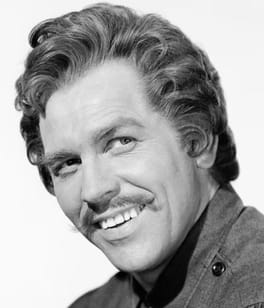
Photo: AnonymousUnknown author / Public domain (source: Wikimedia Commons)
Howard Keel was born on April 13, 1919 in Gillespie, Illinois, United States and was credited as a singer, stage actor and film actor. Howard Keel died on November 7, 2004 at the age of 85. Schooling on record includes Fallbrook Union High School. Listed accolades include star on Hollywood Walk of Fame.
My Take
Howard Keel had one of those careers I find genuinely satisfying to look back on, a two-act life in entertainment. That rich bass-baritone made him a fixture of MGM musicals like Show Boat in the 1950s, the golden age of the studio musical. Then, when that world faded, he reinvented himself decades later as oil baron Clayton Farlow on Dallas, reaching a whole new audience through the 1980s. The star on the Hollywood Walk of Fame feels well deserved. What I take from his story is durability, the ability to ride a changing industry across half a century rather than be defined by a single moment.
This take was written by generative AI, one per person, from publicly reported facts (editorial policy). It is a reading of the record, not reporting.
1. Profile
- Name (English)
- Howard Keel
- Name (Japanese)
- ハワード・キール
- Reading
- はわーど・きーる
- Born
- April 13, 1919 – November 7, 2004
- Origin
- Gillespie, Illinois, United States
- Occupation
- singer / stage actor / film actor / television actor / recording artist
- Zodiac / Chinese zodiac
- Aries / Goat
2. Background
- High school
- Fallbrook Union High School
Awards & achievements
- star on Hollywood Walk of Fame
3. Links
- Wikipedia (English)https://en.wikipedia.org/wiki/Howard%20Keel
- Wikipedia (Japanese)https://ja.wikipedia.org/wiki/%E3%83%8F%E3%83%AF%E3%83%BC%E3%83%89%E3%83%BB%E3%82%AD%E3%83%BC%E3%83%AB
- Wikidatahttps://www.wikidata.org/wiki/Q325427
4. About this entry
Tags
- Last updated
Facts are limited to publicly available information up to 2024; non-public or unconfirmed items are omitted. English text is machine-assisted (facts translated by Sonnet, "My Take" written by Opus 4.8). The Japanese page is the source of record.
Frequently asked questions
When was Howard Keel born?
Born April 13, 1919.
When did Howard Keel die?
Died November 7, 2004, aged 85.
Where was Howard Keel from?
Howard Keel was from Gillespie, Illinois, United States.
What did Howard Keel do?
Howard Keel worked as singer, stage actor, film actor, television actor, recording artist.
Singer — see all → · Stage actor — see all → · More people from the United States →