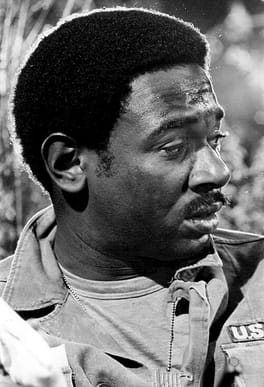
Photo: CBS Television / Public domain (source: Wikimedia Commons)
Ivan Dixon was listed as a film director, stage actor and television actor. Ivan Dixon was born on April 6, 1931 in New York City, New York, United States. Death is recorded on March 16, 2008, at the age of 76. Schooling on record includes North Carolina Central University. Listed accolades include Black Filmmakers Hall of Fame (1980).
My Take
Ivan Dixon earned my deepest respect not for being recognizable on Hogan's Heroes, but for what he chose to do with that recognition. His lead in Nothing But a Man (1964) treated Black dignity as a serious subject, and he then moved behind the camera to direct and produce, telling stories on his own terms. His 1980 induction into the Black Filmmakers Hall of Fame reflects that quiet, foundational work. I admire artists who trade the spotlight for the harder job of building doors for others to walk through. Dixon was exactly that kind of figure, and his influence outlasts the roles people remember him by.
This take was written by generative AI, one per person, from publicly reported facts (editorial policy). It is a reading of the record, not reporting.
1. Profile
- Name (English)
- Ivan Dixon
- Name (Japanese)
- アイヴァン・ディクソン
- Reading
- あいゔぁん・でぃくそん
- Born
- April 6, 1931 – March 16, 2008
- Origin
- New York City, New York, United States
- Occupation
- film director / stage actor / television actor / film actor / film producer
- Zodiac / Chinese zodiac
- Aries / Goat
2. Background
- University
- North Carolina Central University
Awards & achievements
- 1980 Black Filmmakers Hall of Fame
3. Links
- Wikipedia (English)https://en.wikipedia.org/wiki/Ivan%20Dixon
- Wikidatahttps://www.wikidata.org/wiki/Q713366
4. About this entry
Tags
- Last updated
Facts are limited to publicly available information up to 2024; non-public or unconfirmed items are omitted. English text is machine-assisted (facts translated by Sonnet, "My Take" written by Opus 4.8). The Japanese page is the source of record.
Frequently asked questions
When was Ivan Dixon born?
Ivan Dixon was born on April 6, 1931.
When did Ivan Dixon die?
Ivan Dixon died on March 16, 2008, aged 76.
Where was Ivan Dixon from?
Ivan Dixon was from New York City, New York, United States.
What did Ivan Dixon do?
Ivan Dixon worked as film director, stage actor, television actor, film actor, film producer.
Where did Ivan Dixon study?
Ivan Dixon attended North Carolina Central University.
Film director — see all → · Stage actor — see all → · More people from the United States → · More people born on April 6 →