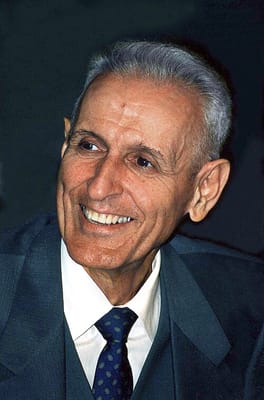
Photo: Kingkongphoto & www.celebrity-photos.com from Laurel Maryland, USA / CC BY-SA 2.0 (source: Wikimedia Commons)
Jack Kevorkian was a physician, composer and painter, born on May 26, 1928 in Pontiac, Michigan, United States. Jack Kevorkian died on June 3, 2011 at the age of 83. Schooling on record includes Pontiac Central High School and University of Michigan.
My Take
Jack Kevorkian is a figure I find impossible to file away neatly, and I think that is the point. A Michigan pathologist who became infamous as Dr. Death, convicted of murder in 1999, he forced an uncomfortable national argument about dying with dignity. What fascinates me, beyond the headlines, is that this same man composed music, painted, and played jazz. That collision of mortality and creativity is haunting. I am in no position to judge his conviction that dying is not a crime, but few people illustrate the sheer contradiction of human nature as starkly as he does.
This take was written by generative AI, one per person, from publicly reported facts (editorial policy). It is a reading of the record, not reporting.
1. Profile
- Name (English)
- Jack Kevorkian
- Name (Japanese)
- ジャック・ケヴォーキアン
- Reading
- じゃっく・けゔぉーきあん
- Born
- May 26, 1928 – June 3, 2011
- Origin
- Pontiac, Michigan, United States
- Occupation
- physician / composer / painter / jazz musician / pathologist
- Zodiac / Chinese zodiac
- Gemini / Dragon
2. Background
- High school
- Pontiac Central High School
- University
- University of Michigan
3. Links
4. About this entry
Tags
- Last updated
Facts are limited to publicly available information up to 2024; non-public or unconfirmed items are omitted. English text is machine-assisted (facts translated by Sonnet, "My Take" written by Opus 4.8). The Japanese page is the source of record.
Frequently asked questions
When was Jack Kevorkian born?
Born May 26, 1928.
When did Jack Kevorkian die?
Died June 3, 2011, aged 83.
Where was Jack Kevorkian from?
Jack Kevorkian was from Pontiac, Michigan, United States.
What did Jack Kevorkian do?
Jack Kevorkian worked as physician, composer, painter, jazz musician, pathologist.
Physician — see all → · Composer — see all → · More people from the United States →