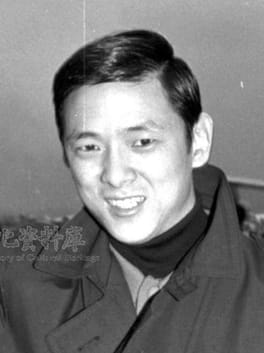
Photo: 中央通訊社 / Public domain (source: Wikimedia Commons)
Born on March 28, 1943 in Shanghai, People's Republic of China, Jimmy Wang Yu was a film director, screenwriter and film actor. Death is recorded on April 5, 2022, at the age of 79. Notable works include One Armed Boxer and The Man from Hong Kong.
My Take
Jimmy Wang Yu is one of those figures who genuinely changed what action cinema could look like, and I think he deserves way more recognition in Western film circles than he gets. His breakout in The One-Armed Swordsman back in 1967 was a landmark moment — the idea of a hero stripped of his dominant arm yet still utterly unstoppable was poetic and visceral all at once. Born in Shanghai and making his name through Shaw Brothers in Hong Kong, he had this raw, coiled-spring screen presence that felt completely different from anything Hollywood was doing at the time. By the early 1970s he was writing and directing on top of starring, which speaks to a restless creative drive that goes well beyond just being a pretty face who could fight. He passed away in April 2022, but One Armed Boxer alone is enough to cement him as a foundational pillar of martial arts cinema.
This take was written by generative AI, one per person, from publicly reported facts (editorial policy). It is a reading of the record, not reporting.
1. Profile
- Name (English)
- Jimmy Wang Yu
- Name (Japanese)
- ジミー・ウォング
- Reading
- じみー・うぉんぐ
- Born
- March 28, 1943 – April 5, 2022
- Origin
- Shanghai, People's Republic of China
- Occupation
- actor / film director / screenwriter / film actor / writer
- Zodiac / Chinese zodiac
- Aries / Goat
2. Works & records
Filmography / notable works
| Category | Title |
|---|---|
| Notable work | One Armed Boxer |
| Notable work | The Man from Hong Kong |
3. Links
- Wikipedia (English)https://en.wikipedia.org/wiki/Jimmy%20Wang%20Yu
- Wikipedia (Japanese)https://ja.wikipedia.org/wiki/%E3%82%B8%E3%83%9F%E3%83%BC%E3%83%BB%E3%82%A6%E3%82%A9%E3%83%B3%E3%82%B0
- Wikidatahttps://www.wikidata.org/wiki/Q703153
4. About this entry
Tags
- Last updated
Facts are limited to publicly available information up to 2024; non-public or unconfirmed items are omitted. English text is machine-assisted (facts translated by Sonnet, "My Take" written by Opus 4.8). The Japanese page is the source of record.
Frequently asked questions
When was Jimmy Wang Yu born?
Born March 28, 1943.
When did Jimmy Wang Yu die?
Died April 5, 2022, aged 79.
Where was Jimmy Wang Yu from?
Jimmy Wang Yu was from Shanghai, People's Republic of China.
What did Jimmy Wang Yu do?
Jimmy Wang Yu worked as actor, film director, screenwriter, film actor, writer.
What was Jimmy Wang Yu known for?
Notable works include One Armed Boxer, The Man from Hong Kong.
Actor — see all → · Film director — see all → · More people from the People's Republic of China →