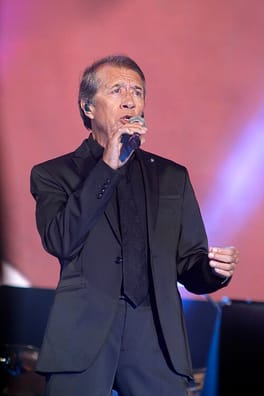
Photo: Secretaría de Cultura de la Ciudad de México / CC BY 2.0 (source: Wikimedia Commons)
José María Napoleón is a singer and bullfighter, born on August 18, 1948 in Aguascalientes City, Aguascalientes, Mexico. That puts José María Napoleón at 78 years old in 2026. Awards on record include Latin Grammy Lifetime Achievement Award (2018).
My Take
José María Napoleón stands apart for me. Born in Aguascalientes in 1948, he's a singer and composer who also carried the identity of a bullfighter, an unlikely pairing that somehow captures the Latin spirit better than either pursuit alone. His 2018 Latin Grammy Lifetime Achievement Award isn't the trophy of a one-hit moment; it's reserved for artists who moved people across decades. I find that range genuinely compelling, a man who shaped emotion through song while also stepping into the ring's life-and-death theater. I have deep respect for performers who refuse to be boxed into a single genre, and he is exactly that.
This take was written by generative AI, one per person, from publicly reported facts (editorial policy). It is a reading of the record, not reporting.
1. Profile
- Name (English)
- José María Napoleón
- Name (Japanese)
- ホセ・マリア・ナポレオン
- Reading
- ほせ・まりあ・なぽれおん
- Born
- August 18, 1948 (age 78)
- Origin
- Aguascalientes City, Aguascalientes, Mexico
- Occupation
- singer / bullfighter
- Zodiac / Chinese zodiac
- Leo / Rat
2. Background
Awards & achievements
- 2018 Latin Grammy Lifetime Achievement Award
3. Links
4. About this entry
Tags
- Last updated
Facts are limited to publicly available information up to 2024; non-public or unconfirmed items are omitted. English text is machine-assisted (facts translated by Sonnet, "My Take" written by Opus 4.8). The Japanese page is the source of record.
Frequently asked questions
When was José María Napoleón born?
Born August 18, 1948 (age 78).
Where is José María Napoleón from?
José María Napoleón is from Aguascalientes City, Aguascalientes, Mexico.
What does José María Napoleón do?
José María Napoleón works as singer, bullfighter.