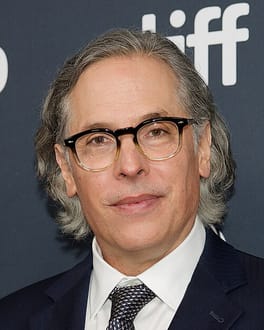
Photo: Kevin Payravi / CC BY-SA 4.0 (source: Wikimedia Commons)
Rodrigo Prieto is a cinematographer, photographer and film director. Rodrigo Prieto was born on November 23, 1965 in Mexico City, Mexico. The age as of 2026 is 60. Listed accolades include Golden Frog (2000).
My Take
Rodrigo Prieto is, to me, one of the great unsung authors of modern cinema. Born in Mexico City in 1965, he has shot for Martin Scorsese and Alejandro González Iñárritu, and belongs to both the Mexican and American Societies of Cinematographers. Cinematographers work invisibly, yet they shape a film's emotional temperature more than almost anyone. What I value in Prieto is restraint: he does not flaunt technique, he lets light serve the story. His cross-border standing speaks to a craft that transcends nationality. He is the kind of artist whose presence on a credit list makes me trust that the images will mean something.
This take was written by generative AI, one per person, from publicly reported facts (editorial policy). It is a reading of the record, not reporting.
1. Profile
- Name (English)
- Rodrigo Prieto
- Name (Japanese)
- ロドリゴ・プリエト
- Reading
- ろどりご・ぷりえと
- Born
- November 23, 1965 (age 60)
- Origin
- Mexico City, Mexico
- Occupation
- cinematographer / photographer / film director
- Zodiac / Chinese zodiac
- Sagittarius / Snake
2. Background
Awards & achievements
- 2000 Golden Frog
3. Links
4. About this entry
Tags
- Last updated
Facts are limited to publicly available information up to 2024; non-public or unconfirmed items are omitted. English text is machine-assisted (facts translated by Sonnet, "My Take" written by Opus 4.8). The Japanese page is the source of record.
Frequently asked questions
When was Rodrigo Prieto born?
Born November 23, 1965 (age 60).
Where is Rodrigo Prieto from?
Rodrigo Prieto is from Mexico City, Mexico.
What does Rodrigo Prieto do?
Rodrigo Prieto works as cinematographer, photographer, film director.
Cinematographer — see all → · Photographer — see all → · More people from Mexico →