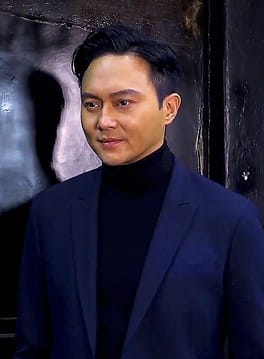
Photo: am730 / CC BY 3.0 (source: Wikimedia Commons)
Julian Cheung was born in Hong Kong, People's Republic of China on August 27, 1971. Public records list Julian Cheung as a singer, songwriter and television actor. That works out to 55 years old in 2026. Education on record includes Pendle Hill High School and Lingnan University.
My Take
Julian Cheung, Chilam, is Hong Kong stardom done the classic way. Landing Guo Jing in the 1994 Condor Heroes adaptation gave him an instant aura, and the fact that he writes and sings as fluently as he acts makes him a genuine double threat. Roles like Chi-Kin in Cold Blood Warm Heart proved the acting wasn't a singer's side hobby. What impresses me most is longevity: staying near the front of a brutally competitive industry for decades takes more than looks; it takes substance and discipline. He's one of the faces that carried a golden era of Hong Kong entertainment, and I happily keep rooting for performers with that kind of staying power.
This take was written by generative AI, one per person, from publicly reported facts (editorial policy). It is a reading of the record, not reporting.
1. Profile
- Name (English)
- Julian Cheung
- Name (Japanese)
- ジュリアン・チョン
- Reading
- じゅりあん・ちょん
- Born
- August 27, 1971 (age 55)
- Origin
- Hong Kong, People's Republic of China
- Occupation
- singer / actor / songwriter / television actor
- Zodiac / Chinese zodiac
- Virgo / Boar
2. Background
- High school
- Pendle Hill High School
- University
- Lingnan University
3. Links
- Instagramhttps://www.instagram.com/cheung_chi_lam/
- Wikipedia (English)https://en.wikipedia.org/wiki/Julian%20Cheung
- Wikidatahttps://www.wikidata.org/wiki/Q697144
4. About this entry
Tags
- Last updated
Facts are limited to publicly available information up to 2024; non-public or unconfirmed items are omitted. English text is machine-assisted (facts translated by Sonnet, "My Take" written by Opus 4.8). The Japanese page is the source of record.
Frequently asked questions
When was Julian Cheung born?
Julian Cheung was born on August 27, 1971 and is 55 years old.
Where is Julian Cheung from?
Julian Cheung is from Hong Kong, People's Republic of China.
What does Julian Cheung do?
Julian Cheung works as singer, actor, songwriter, television actor.
Where did Julian Cheung study?
Julian Cheung attended Lingnan University.
Singer — see all → · Actor — see all → · More people from the People's Republic of China → · More people born on August 27 →