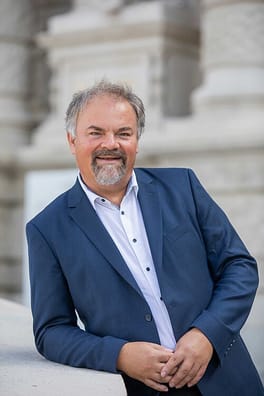
Photo: IMBA wiki / CC BY-SA 4.0 (source: Wikimedia Commons)
Born on October 24, 1963 in Memmingen, Swabia, Germany, Jürgen Knoblich is a molecular biologist, university teacher and researcher. That puts Jürgen Knoblich at 62 years old in 2026. Awards on record include Erwin Schrödinger Prize (2012), Wittgenstein-Prize (2009), EMBO Membership and 1 more.
My Take
Jürgen Knoblich is one of the most consequential people in this database, even if few outside science know him. Pioneering cerebral organoids, lab-grown miniature brains, he opened a door to studying human neurological disease in ways that were science fiction not long ago. The Schrödinger and Wittgenstein prizes and EMBO membership confirm his standing, and his long tenure leading research at IMBA in Vienna shows staying power. I'm fascinated by researchers who patiently chip away at the brain's mysteries, and Knoblich strikes me as a scientist whose work may quietly outlast every celebrity we list.
This take was written by generative AI, one per person, from publicly reported facts (editorial policy). It is a reading of the record, not reporting.
1. Profile
- Name (English)
- Jürgen Knoblich
- Name (Japanese)
- ユルゲン・ノブリヒ
- Reading
- ゆるげん・のぶりひ
- Born
- October 24, 1963 (age 62)
- Origin
- Memmingen, Swabia, Germany
- Occupation
- molecular biologist / university teacher / researcher / biologist
- Zodiac / Chinese zodiac
- Scorpio / Rabbit
2. Background
Awards & achievements
- 2012 Erwin Schrödinger Prize
- 2009 Wittgenstein-Prize
- EMBO Membership
- 2024 Kardinal-Innitzer-Preis
3. Links
4. About this entry
Tags
- Last updated
Facts are limited to publicly available information up to 2024; non-public or unconfirmed items are omitted. English text is machine-assisted (facts translated by Sonnet, "My Take" written by Opus 4.8). The Japanese page is the source of record.
Frequently asked questions
When was Jürgen Knoblich born?
Born October 24, 1963 (age 62).
Where is Jürgen Knoblich from?
Jürgen Knoblich is from Memmingen, Swabia, Germany.
What does Jürgen Knoblich do?
Jürgen Knoblich works as molecular biologist, university teacher, researcher, biologist.