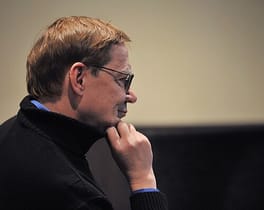
Photo: Teemu Rajala / CC BY 4.0 (source: Wikimedia Commons)
Kalevi Aho, born on March 9, 1949 in Forssa, Kanta-Häme, Finland, is a composer and university teacher. That puts Kalevi Aho at 77 years old in 2026. Listed accolades include Pro Finlandia Medal of the Order of the Lion of Finland (1999), Finnish State Prize for Music, Léonie Sonnings Musikstipendium (1973) and 1 more.
My Take
Kalevi Aho represents something I deeply value: a living tradition. Born in Forssa in 1949, he is one of Finland's most prolific contemporary composers, decorated with the Pro Finlandia Medal among other honours. What moves me is the persistence of it. While many assume classical music belongs to the past, Aho has spent decades writing new symphonies and teaching the next generation. That dual life of creator and educator strikes me as genuinely noble. Finnish music carries a clarity and a cold, luminous beauty all its own, and I find myself wanting to sit with his work and let it unfold slowly.
This take was written by generative AI, one per person, from publicly reported facts (editorial policy). It is a reading of the record, not reporting.
1. Profile
- Name (English)
- Kalevi Aho
- Name (Japanese)
- カレヴィ・アホ
- Reading
- かれゔぃ・あほ
- Born
- March 9, 1949 (age 77)
- Origin
- Forssa, Kanta-Häme, Finland
- Occupation
- composer / university teacher
- Zodiac / Chinese zodiac
- Pisces / Ox
2. Background
Awards & achievements
- 1999 Pro Finlandia Medal of the Order of the Lion of Finland
- Finnish State Prize for Music
- 1973 Léonie Sonnings Musikstipendium
- Knight First Class of the Order of the Lion of Finland
3. Links
- Wikipedia (English)https://en.wikipedia.org/wiki/Kalevi%20Aho
- Wikipedia (Japanese)https://ja.wikipedia.org/wiki/%E3%82%AB%E3%83%AC%E3%83%B4%E3%82%A3%E3%83%BB%E3%82%A2%E3%83%9B
- Wikidatahttps://www.wikidata.org/wiki/Q521079
4. About this entry
Tags
- Last updated
Facts are limited to publicly available information up to 2024; non-public or unconfirmed items are omitted. English text is machine-assisted (facts translated by Sonnet, "My Take" written by Opus 4.8). The Japanese page is the source of record.
Frequently asked questions
When was Kalevi Aho born?
Born March 9, 1949 (age 77).
Where is Kalevi Aho from?
Kalevi Aho is from Forssa, Kanta-Häme, Finland.
What does Kalevi Aho do?
Kalevi Aho works as composer, university teacher.
Composer — see all → · University teacher — see all → · More people from Finland →