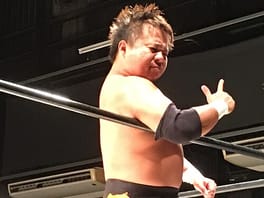
Photo: Benevolencer / CC BY-SA 4.0 (source: Wikimedia Commons)
My Take
Honestly, a pro wrestler from Kameyama in Mie Prefecture — there's something quietly poetic about that. Kameyama is one of those old post towns on the Tokaido road, steeped in history, and out of that comes a guy who decides to make a living getting slammed on a canvas. I don't know his full record and I won't pretend to, but there's something I instinctively respect about regional wrestlers who never had the big-promotion spotlight and kept going anyway. That kind of stubborn dedication to the craft, far from the cameras, is honestly more interesting to me than the highlight-reel guys.
This take was written by generative AI, one per person, from publicly reported facts (editorial policy). It is a reading of the record, not reporting.
Overview
Kengo Takai is a Japanese professional wrestler born on June 18, 1978, in Kameyama, Mie Prefecture. Details about his debut, active period, and career record have not been made public. He maintains active social media accounts on Instagram and X (formerly Twitter). His blood type, physical measurements, and personal background remain private.
1. Profile
- Name (English)
- Kengo Takai
- Name (Japanese)
- 高井憲吾
- Reading
- たかい けんご
- Born
- June 18, 1978 (age 48)
- Origin
- Kameyama, Mie Prefecture, Japan
- Occupation
- Professional wrestler
- Zodiac / Chinese zodiac
- Gemini / Horse
2. Links
3. About this entry
Tags
- Last updated
Facts are limited to publicly available information up to 2024; non-public or unconfirmed items are omitted. English text is machine-assisted (facts translated by Sonnet, "My Take" written by Opus 4.8). The Japanese page is the source of record.
Frequently asked questions
When was Kengo Takai born?
Born June 18, 1978 (age 48).
Where is Kengo Takai from?
Kengo Takai is from Kameyama, Mie Prefecture, Japan.
What does Kengo Takai do?
Kengo Takai works as Professional wrestler.
Professional wrestler — see all → · More people from Japan →