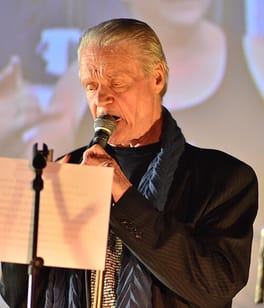
Photo: Jean-Daniel Pauget / CC BY 2.0 (source: Wikimedia Commons)
Born on July 21, 1939 in Los Angeles, California, United States, Kim Fowley was a musician, singer and songwriter. Death is recorded on January 15, 2015, at the age of 75. Kim Fowley was educated at University High School.
My Take
Kim Fowley is one of the great wild cards of rock history, and I mean that as a compliment. He's been called one of the most colorful characters in the annals of rock and roll, and also a shadowy cult figure outside the mainstream, which captures the contradiction perfectly. He churned out novelty and cult pop singles through the 1960s, then famously assembled and managed the Runaways in the 1970s. Born in Los Angeles in 1939 and gone in 2015, he was a behind-the-scenes operator rather than a star. I find these scene architects far more revealing than the acts they pushed into the spotlight.
This take was written by generative AI, one per person, from publicly reported facts (editorial policy). It is a reading of the record, not reporting.
1. Profile
- Name (English)
- Kim Fowley
- Name (Japanese)
- キム・フォーリー
- Reading
- きむ・ふぉーりー
- Born
- July 21, 1939 – January 15, 2015
- Origin
- Los Angeles, California, United States
- Occupation
- musician / singer / songwriter / record producer / talent manager
- Zodiac / Chinese zodiac
- Cancer / Rabbit
2. Background
- High school
- University High School
- University
- University High School
3. Links
- Official sitehttp://www.kimfowley.net
- Xhttps://x.com/RealKimFowley
- Wikipedia (English)https://en.wikipedia.org/wiki/Kim%20Fowley
- Wikipedia (Japanese)https://ja.wikipedia.org/wiki/%E3%82%AD%E3%83%A0%E3%83%BB%E3%83%95%E3%82%A9%E3%83%BC%E3%83%AA%E3%83%BC
- Wikidatahttps://www.wikidata.org/wiki/Q1378199
4. About this entry
Tags
- Last updated
Facts are limited to publicly available information up to 2024; non-public or unconfirmed items are omitted. English text is machine-assisted (facts translated by Sonnet, "My Take" written by Opus 4.8). The Japanese page is the source of record.
Frequently asked questions
When was Kim Fowley born?
Born July 21, 1939.
When did Kim Fowley die?
Died January 15, 2015, aged 75.
Where was Kim Fowley from?
Kim Fowley was from Los Angeles, California, United States.
What did Kim Fowley do?
Kim Fowley worked as musician, singer, songwriter, record producer, talent manager.
Musician — see all → · Singer — see all → · More people from the United States →