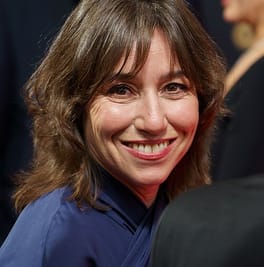
Photo: Pedro J Pacheco / CC BY-SA 4.0 (source: Wikimedia Commons)
Lola Dueñas was born in Madrid, Community of Madrid, Spain on October 6, 1971. Public records list Lola Dueñas as a television actor and film actor. That works out to 54 years old in 2026. Awards on record include Silver Shell for Best Actress (2009), Goya Award for Best Actress (2005), Cannes Film Festival Award for Best Actress (2006) and 1 more. Credited works include Volver, Me Too and The Sea Inside.
My Take
Lola Dueñas is, to me, one of the great character actors of contemporary Spanish cinema. Her work in Almodóvar's Volver and in The Sea Inside lingers long after the credits, and two Goya Awards plus a Cannes acting prize confirm what the eye already senses. What I admire most is that she never coasts on glamour; she finds the bruised, ordinary humanity in every role and makes it luminous. Her willingness to cross into French film shows an actor curious about her craft rather than her comfort. When she is on screen, the air in the scene simply changes, and that is rare.
This take was written by generative AI, one per person, from publicly reported facts (editorial policy). It is a reading of the record, not reporting.
1. Profile
- Name (English)
- Lola Dueñas
- Name (Japanese)
- ロラ・ドゥエニャス
- Reading
- ろら・どぅえにゃす
- Born
- October 6, 1971 (age 54)
- Origin
- Madrid, Community of Madrid, Spain
- Occupation
- television actor / film actor / actor
- Zodiac / Chinese zodiac
- Libra / Boar
2. Background
Awards & achievements
- 2009 Silver Shell for Best Actress
- 2005 Goya Award for Best Actress
- 2006 Cannes Film Festival Award for Best Actress
- 2019 Gaudí Award for Best Actress in a Leading Role
3. Works & records
Filmography / notable works
| Category | Title |
|---|---|
| Notable work | Volver |
| Notable work | Me Too |
| Notable work | The Sea Inside |
| Notable work | The Black Ball |
4. Links
5. About this entry
Tags
- Last updated
Facts are limited to publicly available information up to 2024; non-public or unconfirmed items are omitted. English text is machine-assisted (facts translated by Sonnet, "My Take" written by Opus 4.8). The Japanese page is the source of record.
Frequently asked questions
When was Lola Dueñas born?
Born October 6, 1971 (age 54).
Where is Lola Dueñas from?
Lola Dueñas is from Madrid, Community of Madrid, Spain.
What does Lola Dueñas do?
Lola Dueñas works as television actor, film actor, actor.
What is Lola Dueñas known for?
Notable works include Volver, Me Too, The Sea Inside.
Television actor — see all → · Film actor — see all → · More people from Spain →