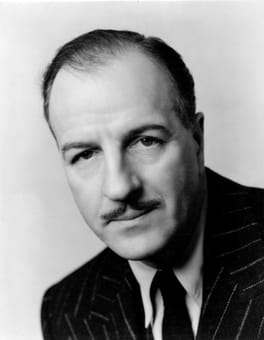
Photo: Photo by Vandamm, New York / Public domain (source: Wikimedia Commons)
Louis Calhern was born on February 19, 1895 in Brooklyn, New York, United States. Louis Calhern was listed as a stage actor and film actor. Death is recorded on May 12, 1956, at the age of 61. Recorded honors include Donaldson Awards.
My Take
Louis Calhern, born Carl Henry Vogt in Brooklyn, fascinates me as a genuine two-handed performer. Active from 1923 to 1956, he logged over a hundred Broadway roles and earned an Academy Award nomination, comfortable as both a leading man on stage and a distinguished character actor on screen. That versatility is the real mark of craft; plenty of actors shine in one register, few command both. To still have his name carved into film history from an era with far thinner records tells me he was simply persuasive on camera. I find lasting value in performers who live on inside old films.
This take was written by generative AI, one per person, from publicly reported facts (editorial policy). It is a reading of the record, not reporting.
1. Profile
- Name (English)
- Louis Calhern
- Name (Japanese)
- ルイス・カルハーン
- Reading
- るいす・かるはーん
- Born
- February 19, 1895 – May 12, 1956
- Origin
- Brooklyn, New York, United States
- Occupation
- actor / stage actor / film actor
- Zodiac / Chinese zodiac
- Pisces / Goat
2. Background
Awards & achievements
- Donaldson Awards
3. Links
4. About this entry
Tags
- Last updated
Facts are limited to publicly available information up to 2024; non-public or unconfirmed items are omitted. English text is machine-assisted (facts translated by Sonnet, "My Take" written by Opus 4.8). The Japanese page is the source of record.
Frequently asked questions
When was Louis Calhern born?
Born February 19, 1895.
When did Louis Calhern die?
Died May 12, 1956, aged 61.
Where was Louis Calhern from?
Louis Calhern was from Brooklyn, New York, United States.
What did Louis Calhern do?
Louis Calhern worked as actor, stage actor, film actor.
Actor — see all → · Stage actor — see all → · More people from the United States →