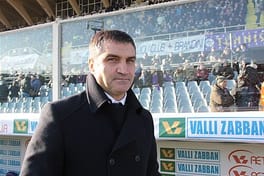
Photo: Roberto Vicario / CC BY-SA 3.0 (source: Wikimedia Commons)
Luigi De Canio was born on September 26, 1957 in Matera, province of Matera, Italy. Luigi De Canio is listed as an association football player and association football coach. The age as of 2026 is 68. The listed height is 172 cm.
My Take
What draws me to Luigi De Canio is the quiet endurance of a football lifer. Born in Matera, that ancient cave-dwelling city in southern Italy, he carved out a playing career as a full-back at just 172 cm, then reinvented himself on the touchline as a manager. I have a soft spot for people who survive in the game through reading and intelligence rather than physique, and "Gigi" strikes me as exactly that type. There is no flashy trophy haul here, just decades of staying relevant in a brutal industry, and honestly that kind of stubborn longevity earns my respect more than any single highlight.
This take was written by generative AI, one per person, from publicly reported facts (editorial policy). It is a reading of the record, not reporting.
1. Profile
- Name (English)
- Luigi De Canio
- Name (Japanese)
- ルイジ・デ・カーニオ
- Reading
- るいじ・で・かーにお
- Born
- September 26, 1957 (age 68)
- Origin
- Matera, province of Matera, Italy
- Height
- 172 cm
- Occupation
- association football player / association football coach
- Zodiac / Chinese zodiac
- Libra / Rooster
2. Links
3. About this entry
Tags
- Last updated
Facts are limited to publicly available information up to 2024; non-public or unconfirmed items are omitted. English text is machine-assisted (facts translated by Sonnet, "My Take" written by Opus 4.8). The Japanese page is the source of record.
Frequently asked questions
When was Luigi De Canio born?
Born September 26, 1957 (age 68).
Where is Luigi De Canio from?
Luigi De Canio is from Matera, province of Matera, Italy.
What does Luigi De Canio do?
Luigi De Canio works as association football player, association football coach.
How tall is Luigi De Canio?
Luigi De Canio is 172 cm.
Association football player — see all → · Association football coach — see all → · More people from Italy →