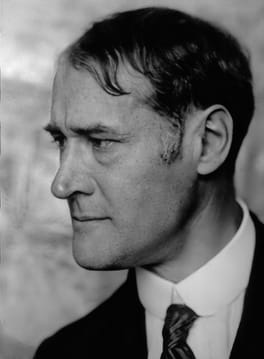
Photo: Hugo Erfurth / Public domain (source: Wikimedia Commons)
Lyonel Feininger was born in New York City, New York, United States on July 17, 1871. Lyonel Feininger was credited as a painter, photographer and illustrator. Death is recorded on January 13, 1956, at the age of 84.
My Take
Lyonel Feininger fascinates me because his life cut straight across two worlds. Born in New York in 1871, he sailed to Europe at sixteen and never really stopped moving between cartooning, painting, and photography. I love that he started out drawing comic strips and caricatures before becoming a leading voice in Expressionism. That grounding in line work shows in his paintings, with their crystalline, almost architectural geometry. To me he is proof that there is no shame in popular illustration as a starting point. He pulled the discipline of the comic page into fine art, and the result still feels strikingly modern when I look at it today.
This take was written by generative AI, one per person, from publicly reported facts (editorial policy). It is a reading of the record, not reporting.
1. Profile
- Name (English)
- Lyonel Feininger
- Name (Japanese)
- リオネル・ファイニンガー
- Reading
- りおねる・ふぁいにんがー
- Born
- July 17, 1871 – January 13, 1956
- Origin
- New York City, New York, United States
- Occupation
- painter / artist / photographer / illustrator / comics artist
- Zodiac / Chinese zodiac
- Cancer / Goat
2. Links
3. About this entry
Tags
- Last updated
Facts are limited to publicly available information up to 2024; non-public or unconfirmed items are omitted. English text is machine-assisted (facts translated by Sonnet, "My Take" written by Opus 4.8). The Japanese page is the source of record.
Frequently asked questions
When was Lyonel Feininger born?
Born July 17, 1871.
When did Lyonel Feininger die?
Died January 13, 1956, aged 84.
Where was Lyonel Feininger from?
Lyonel Feininger was from New York City, New York, United States.
What did Lyonel Feininger do?
Lyonel Feininger worked as painter, artist, photographer, illustrator, comics artist.
Painter — see all → · Artist — see all → · More people from the United States →