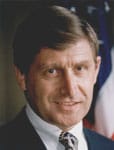
Photo: The Clinton White House / Public domain (source: Wikimedia Commons)
Martin Neil Baily was born on January 13, 1945 in Chicago, Illinois, United States and is credited as an economist and university teacher. That puts Martin Neil Baily at 81 years old in 2026. Education on record includes King's College.
My Take
Martin Neil Baily commands my respect as a scholar who refused to stay in the abstract. Born in Chicago in 1945, he built his reputation on productivity and competitiveness, then stepped into the Clinton administration, rising from member to chairman of the Council of Economic Advisers. Economists who enter the political arena get caught between theory and grubby reality, and reaching the chair anyway signals real conviction. He has continued writing at think tanks well into later life. I admire academics who keep questioning rather than coasting, and Baily strikes me as exactly that kind of restless mind.
This take was written by generative AI, one per person, from publicly reported facts (editorial policy). It is a reading of the record, not reporting.
1. Profile
- Name (English)
- Martin Neil Baily
- Name (Japanese)
- マーティン・ニール・ベイリー
- Reading
- まーてぃん・にーる・べいりー
- Born
- January 13, 1945 (age 81)
- Origin
- Chicago, Illinois, United States
- Occupation
- economist / university teacher
- Zodiac / Chinese zodiac
- Capricorn / Rooster
2. Background
- University
- King's College
3. Links
4. About this entry
Tags
- Last updated
Facts are limited to publicly available information up to 2024; non-public or unconfirmed items are omitted. English text is machine-assisted (facts translated by Sonnet, "My Take" written by Opus 4.8). The Japanese page is the source of record.
Frequently asked questions
When was Martin Neil Baily born?
Born January 13, 1945 (age 81).
Where is Martin Neil Baily from?
Martin Neil Baily is from Chicago, Illinois, United States.
What does Martin Neil Baily do?
Martin Neil Baily works as economist, university teacher.
Economist — see all → · University teacher — see all → · More people from the United States →