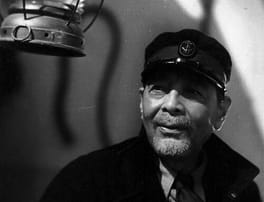
Photo: Shōchiku / Public domain (source: Wikimedia Commons)
My Take
Masao Inoue is one of those figures who sits at the absolute foundation of Japanese cinema, and honestly that alone commands respect. Born in Ehime in 1881, he lived through the entire wild-west era of early Japanese film — a time when nobody had a rulebook, film stock was precious, and the whole industry was basically being invented on the fly. What gets me is that he pulled double duty as both actor and director, which tells you something about the scrappy, all-hands-on-deck spirit of filmmaking back then. You didn't get to specialize; you just did what the story needed. The records on his specific works are thin from this end, but stepping back and thinking about the Meiji-Taisho-early Showa arc he lived through — that's the entire birth of a national cinema. People like him laid the groundwork that everyone else built on, and they did it without templates or precedent. That's not nothing.
This take was written by generative AI, one per person, from publicly reported facts (editorial policy). It is a reading of the record, not reporting.
Overview
Masao Inoue (1881–1950) was a Japanese actor and film director born in Ehime Prefecture during the Meiji era. He worked across both sides of the camera during the formative years of Japanese cinema, spanning the Meiji, Taisho, and early Showa periods. He passed away on February 7, 1950.
1. Profile
- Name (English)
- Masao Inoue
- Name (Japanese)
- 井上正夫
- Reading
- いのうえ まさお
- Born
- June 15, 1881 – February 7, 1950
- Origin
- Ehime Prefecture, Japan
- Occupation
- Film Director / Actor
- Zodiac / Chinese zodiac
- Gemini / Snake
2. Links
- Wikipedia (Japanese)https://ja.wikipedia.org/wiki/%E4%BA%95%E4%B8%8A%E6%AD%A3%E5%A4%AB
- Wikidatahttps://www.wikidata.org/wiki/Q11373074
3. About this entry
Tags
- Last updated
Facts are limited to publicly available information up to 2024; non-public or unconfirmed items are omitted. English text is machine-assisted (facts translated by Sonnet, "My Take" written by Opus 4.8). The Japanese page is the source of record.
Frequently asked questions
When was Masao Inoue born?
Born June 15, 1881.
When did Masao Inoue die?
Died February 7, 1950, aged 68.
Where was Masao Inoue from?
Masao Inoue was from Ehime Prefecture, Japan.
What did Masao Inoue do?
Masao Inoue worked as Film Director, Actor.
Film Director — see all → · Actor — see all → · More people from Japan →