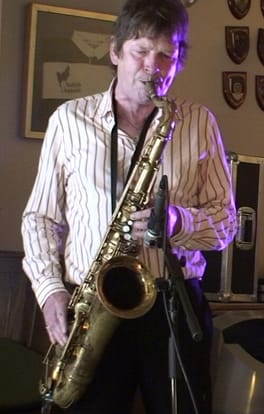
Photo: Acabashi / CC BY-SA 3.0 (source: Wikimedia Commons)
Mel Collins is a saxophonist and composer. Born on September 5, 1947, Mel Collins is from Banstead, United Kingdom. That works out to 79 years old in 2026.
My Take
Mel Collins is exactly the sort of musician I geek out over, the indispensable player whose name fans of progressive rock know cold even if the wider world doesn't. A saxophonist and flautist from Banstead who joined King Crimson twice, decades apart, and spent the late seventies in Camel. That return to Crimson from 2013 says something about how vital his voice remained. To me he's the consummate session lifer, the texture and color behind countless records, and I respect that kind of career far more than fleeting fame. Pure musicianship, sustained for a lifetime.
This take was written by generative AI, one per person, from publicly reported facts (editorial policy). It is a reading of the record, not reporting.
1. Profile
- Name (English)
- Mel Collins
- Name (Japanese)
- メル・コリンズ
- Reading
- める・こりんず
- Born
- September 5, 1947 (age 79)
- Origin
- Banstead, United Kingdom
- Occupation
- saxophonist / composer
- Zodiac / Chinese zodiac
- Virgo / Boar
2. Links
- Wikipedia (English)https://en.wikipedia.org/wiki/Mel%20Collins
- Wikipedia (Japanese)https://ja.wikipedia.org/wiki/%E3%83%A1%E3%83%AB%E3%83%BB%E3%82%B3%E3%83%AA%E3%83%B3%E3%82%BA
- Wikidatahttps://www.wikidata.org/wiki/Q364869
3. About this entry
Tags
- Last updated
Facts are limited to publicly available information up to 2024; non-public or unconfirmed items are omitted. English text is machine-assisted (facts translated by Sonnet, "My Take" written by Opus 4.8). The Japanese page is the source of record.
Frequently asked questions
When was Mel Collins born?
Born September 5, 1947 (age 79).
Where is Mel Collins from?
Mel Collins is from Banstead, United Kingdom.
What does Mel Collins do?
Mel Collins works as saxophonist, composer.
Saxophonist — see all → · Composer — see all → · More people from the United Kingdom →