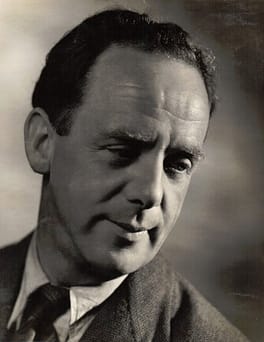
Photo: Ealing Studios / Public domain (source: Wikimedia Commons)
Mervyn Johns was born in Pembroke, United Kingdom on February 18, 1899. Mervyn Johns was credited as a film actor and television actor. Death is recorded on September 6, 1992, at the age of 93.
My Take
Mervyn Johns is the kind of performer I quietly cherish: the indispensable character actor who never needed top billing. Born in Pembroke, Wales, in 1899, he amassed over a hundred credits between 1923 and 1979 and became a fixture of British wartime cinema. He moved from supporting parts to leading roles in the 1940s and 50s, and his weathered, understated presence tightened every frame he entered. Moving fluently among stage, film, and television speaks to a craftsman's discipline and a remarkable longevity. He lived to ninety-three, a life given wholly to acting. I admire that single-minded devotion far more than flashier, shorter-lived careers.
This take was written by generative AI, one per person, from publicly reported facts (editorial policy). It is a reading of the record, not reporting.
1. Profile
- Name (English)
- Mervyn Johns
- Name (Japanese)
- マーヴィン・ジョーンズ
- Reading
- まーゔぃん・じょーんず
- Born
- February 18, 1899 – September 6, 1992
- Origin
- Pembroke, United Kingdom
- Occupation
- actor / film actor / television actor
- Zodiac / Chinese zodiac
- Aquarius / Boar
2. Links
- Wikipedia (English)https://en.wikipedia.org/wiki/Mervyn%20Johns
- Wikidatahttps://www.wikidata.org/wiki/Q1922184
3. About this entry
Tags
- Last updated
Facts are limited to publicly available information up to 2024; non-public or unconfirmed items are omitted. English text is machine-assisted (facts translated by Sonnet, "My Take" written by Opus 4.8). The Japanese page is the source of record.
Frequently asked questions
When was Mervyn Johns born?
Mervyn Johns was born on February 18, 1899.
When did Mervyn Johns die?
Mervyn Johns died on September 6, 1992, aged 93.
Where was Mervyn Johns from?
Mervyn Johns was from Pembroke, United Kingdom.
What did Mervyn Johns do?
Mervyn Johns worked as actor, film actor, television actor.
Actor — see all → · Film actor — see all → · More people from the United Kingdom → · More people born on February 18 →