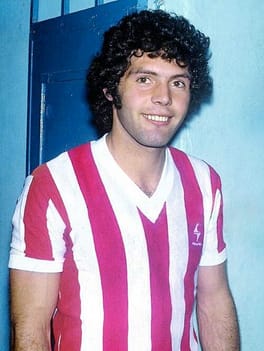
Photo: Unknown author / Public domain (source: Wikimedia Commons)
Miguel Ángel Russo was listed as an association football player and association football coach. Miguel Ángel Russo was born in Lanús, Buenos Aires Province, Argentina on April 9, 1956. The listed height was 175 cm.
My Take
What strikes me about Miguel Angel Russo is the rare loyalty of his playing days: an entire career as a defensive midfielder at Estudiantes de La Plata, never chasing a bigger badge. That same constancy carried into management, where he logged over a thousand matches across more than thirty years. I tend to admire coaches who stay in the trenches that long rather than burning bright and fading. An Argentine football lifer from Lanus, he passed in October 2025, and the sheer length of his bench career tells me he was the kind of figure clubs trusted to steady a dressing room when things got rocky.
This take was written by generative AI, one per person, from publicly reported facts (editorial policy). It is a reading of the record, not reporting.
1. Profile
- Name (English)
- Miguel Ángel Russo
- Name (Japanese)
- ミゲル・アンヘル・ルッソ
- Reading
- みげる・あんへる・るっそ
- Born
- April 9, 1956
- Origin
- Lanús, Buenos Aires Province, Argentina
- Height
- 175 cm
- Occupation
- association football player / association football coach
- Zodiac / Chinese zodiac
- Aries / Monkey
2. Links
3. About this entry
Tags
- Last updated
Facts are limited to publicly available information up to 2024; non-public or unconfirmed items are omitted. English text is machine-assisted (facts translated by Sonnet, "My Take" written by Opus 4.8). The Japanese page is the source of record.
Frequently asked questions
When was Miguel Ángel Russo born?
Born April 9, 1956.
Where was Miguel Ángel Russo from?
Miguel Ángel Russo was from Lanús, Buenos Aires Province, Argentina.
What did Miguel Ángel Russo do?
Miguel Ángel Russo worked as association football player, association football coach.
How tall was Miguel Ángel Russo?
Miguel Ángel Russo was 175 cm.
Association football player — see all → · Association football coach — see all → · More people from Argentina →